
Visit Jajce and Travnik: The City of Kings and the Vizier’s City (Ultimate Guide 2026)
Visit Jajce and Travnik for two unforgettable stops in Central Bosnia between Sarajevo and Una National Park—featuring waterfalls, medieval fortresses, Ottoman flair, and ćevapi that will haunt your food dreams.
If your Bosnia road trip needs a little extra heart—history that hugs you and scenery that makes your camera beg for mercy—then you need to add these towns to your route. These two Central Bosnian gems sit like perfectly placed bookends on the road between Sarajevo and Bihać. One boasts a dramatic natural waterfall crashing straight through its city center, while the other feels like a compact Ottoman time capsule where viziers once ruled and modern visitors still argue (very seriously) about who grills the best meat.
This guide covers the must-sees, the practical tips, and the local secrets—including where to find what many Bosnians will confidently tell you is the best lunch in the country.
To get the most out of Bosnia, you’ll want a car — rent one through DiscoverCars and compare every local agency in one place before you book.
Why You Should Visit Jajce and Travnik on Your Trip
Let’s be honest: Bosnia is not a country you rush through. The magic happens between destinations, not just at them—and this detour proves that perfectly.
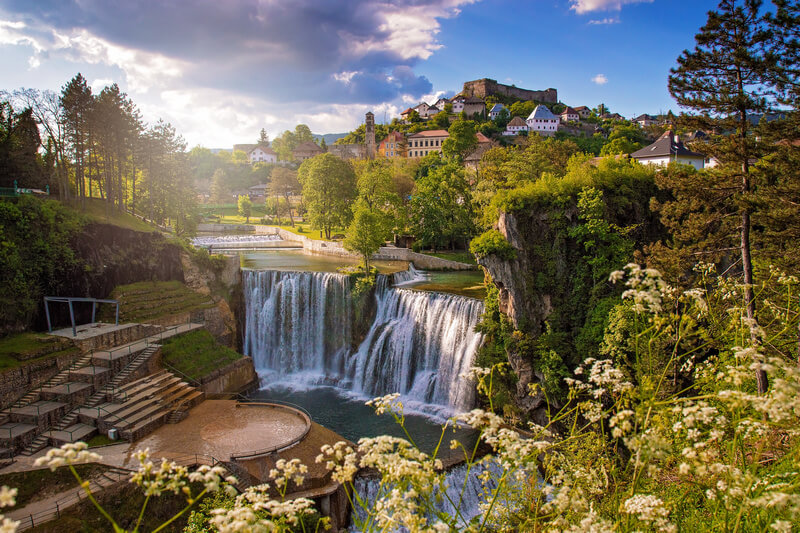
Jajce is literally one of a kind. It is the only city in the world with a powerful natural waterfall located right in its urban core. Add jewel-like lakes, medieval fortifications, underground catacombs, and royal history, and you get a place that feels both cinematic and intimate. It’s ideal for a half-day visit, but quietly convinces many travelers to stay the night.
Travnik, on the other hand, is the classic “stop you didn’t know you needed.” Known as the Vizier’s City, it served as the capital of Ottoman Bosnia for more than 150 years. Today, it’s a graceful blend of mosques, Austro-Hungarian facades, bubbling springs, and literary heritage—small enough to explore easily, yet rich enough to linger.
Together, they form the perfect cultural and scenic bridge between Sarajevo and northwest Bosnia. Instead of driving five hours straight, you get kings, viziers, waterfalls, fortresses, and legendary food—all in one beautifully paced journey.
Read More: Coming from the capital? Make sure you’ve checked off everything on our list: Top 7 Things to Do in Sarajevo in 24 Hours
Jajce: The City of Kings (and a Waterfall Downtown)
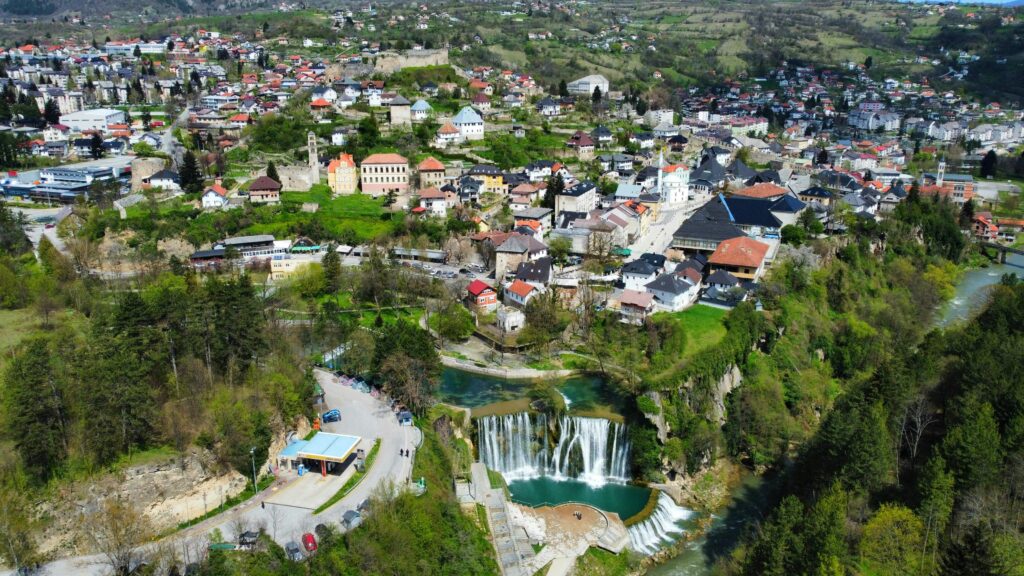
If you were collecting “wow” moments in Bosnia, Jajce hands you one immediately.
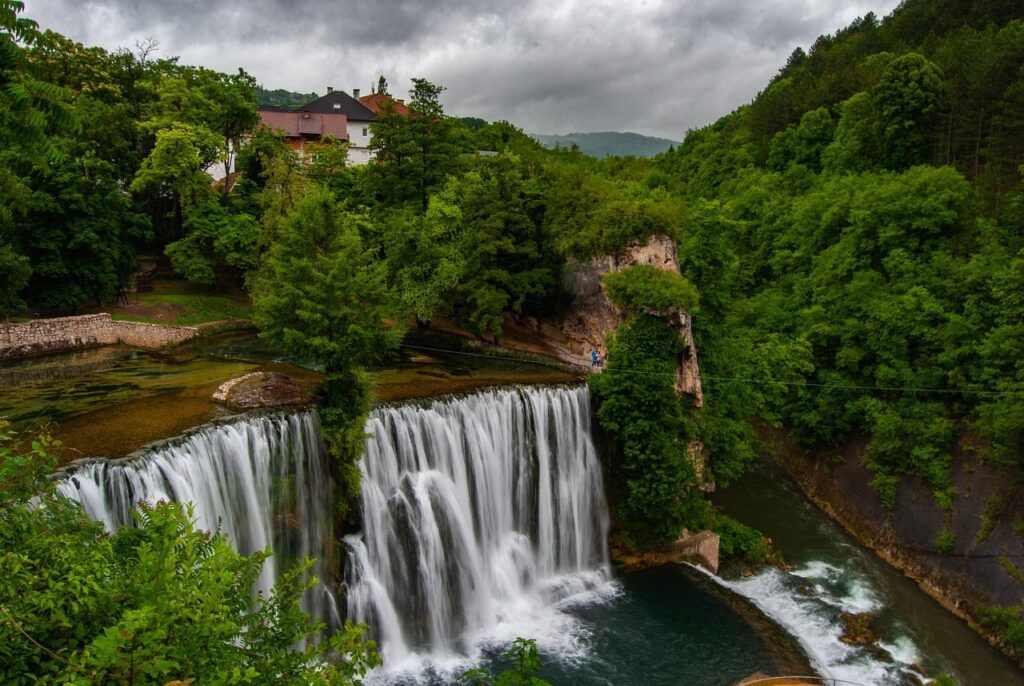
The Pliva Waterfall plunges 21 meters where the Pliva River meets the Vrbas—right in the middle of town. No long hikes, no remote valleys. Just stone streets, rooftops… and suddenly, thunderous water.
The Waterfall Experience & the Zip Line
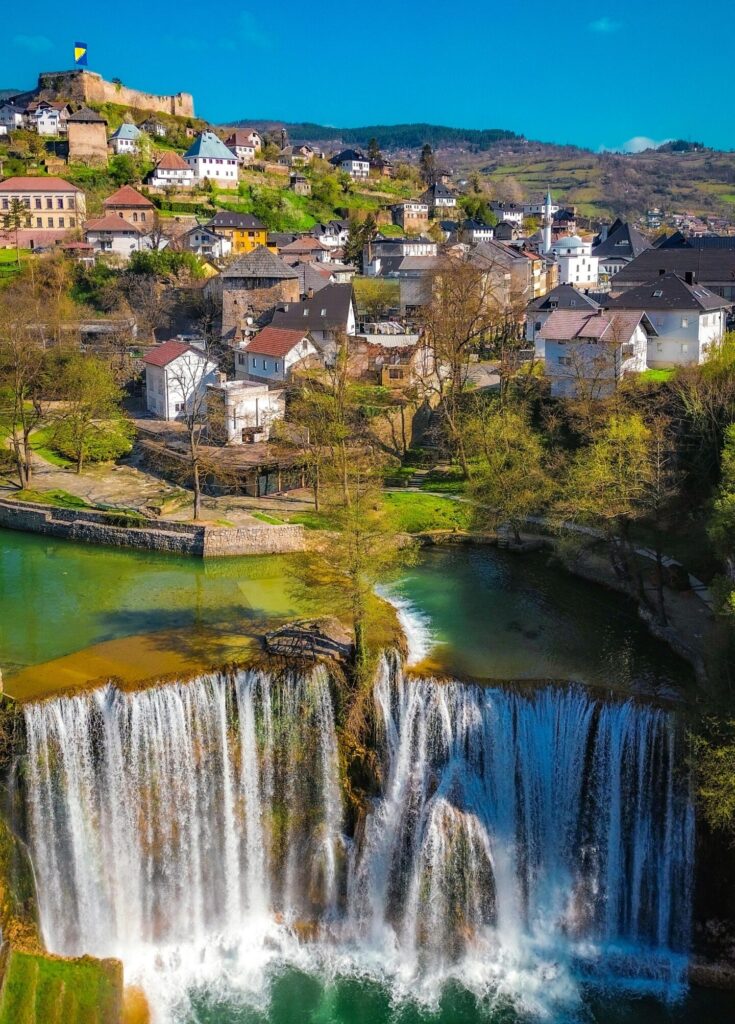
You can admire the waterfall from above for free, but the real magic happens at the base. During the tourist season, access to the lower viewpoint requires a small entrance fee (usually around 8 KM / €4). It’s worth every coin. Standing close enough to feel the mist on your face puts the scale and power of the falls into perspective—and guarantees at least one dramatic photo.
For adrenaline lovers, Jajce has added a zip line across the waterfall. It’s short, intense, and absolutely unforgettable. You’re not just seeing the waterfall—you’re flying through its spray.
Pliva Lakes & the Watermills (Mlinčići)
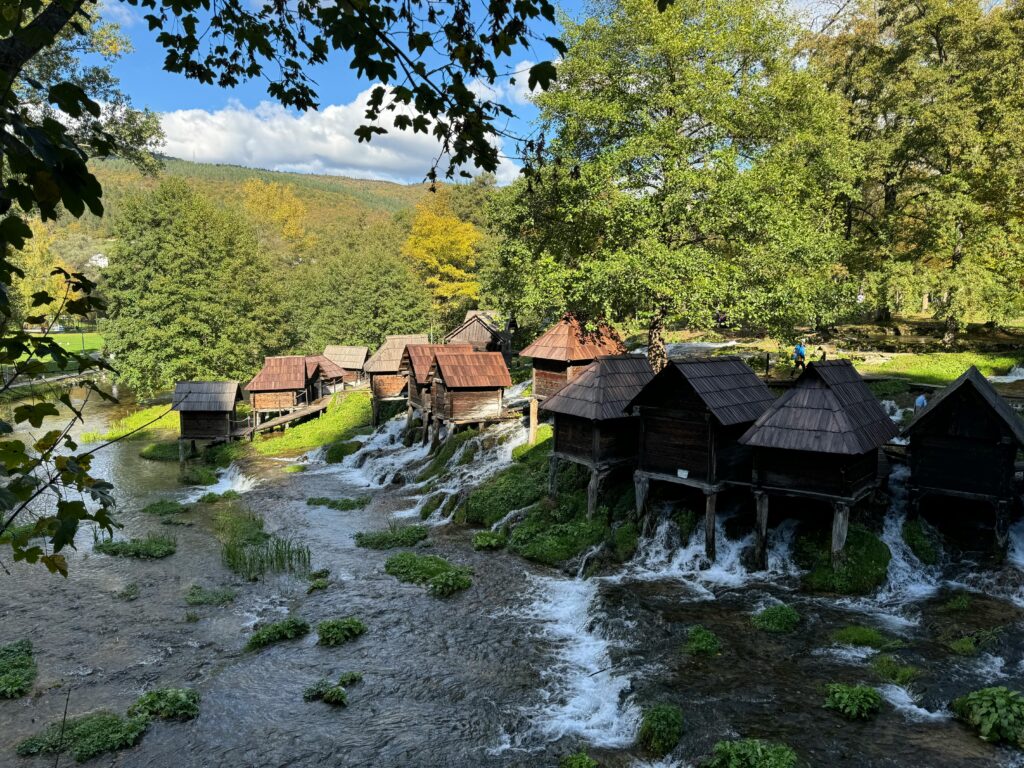
Just a five-minute drive from the town center, Jajce shifts gears completely. The Pliva Lakes feel like nature’s deep breath. Calm, emerald water. Forested shores. And then—Mlinčići.
These medieval wooden watermills sit perched on stilts above rushing channels between the lakes. They look like something straight out of a fairytale, and for centuries, they were used to grind grain communally. Today, they are a protected national monument and one of the most photographed spots in Central Bosnia.
Even if you do nothing else here, take a slow walk along the wooden paths. This is one of the most peaceful places in the region.
The Fortress & the Catacombs
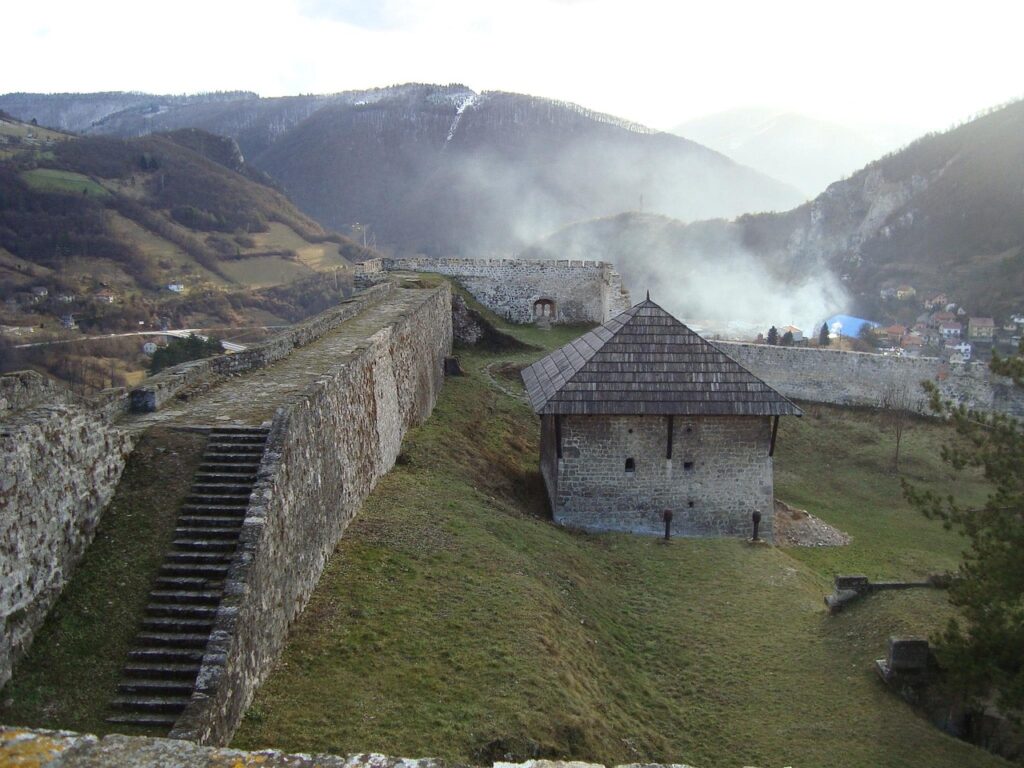
Jajce was once the seat of Bosnian kings, and you feel that history as you climb toward the Jajce Fortress. The uphill walk through cobblestone streets is steep but short, and the reward is a sweeping view over the town, rivers, and surrounding valleys.
Nearby, don’t miss the Catacombs—an underground church and crypt carved directly into rock in the 15th century for the noble Hrvatinić family. It’s quiet, atmospheric, and unlike anything else you’ll see in Bosnia.
Travnik: Coffee, Culture, and Nobel Prizes
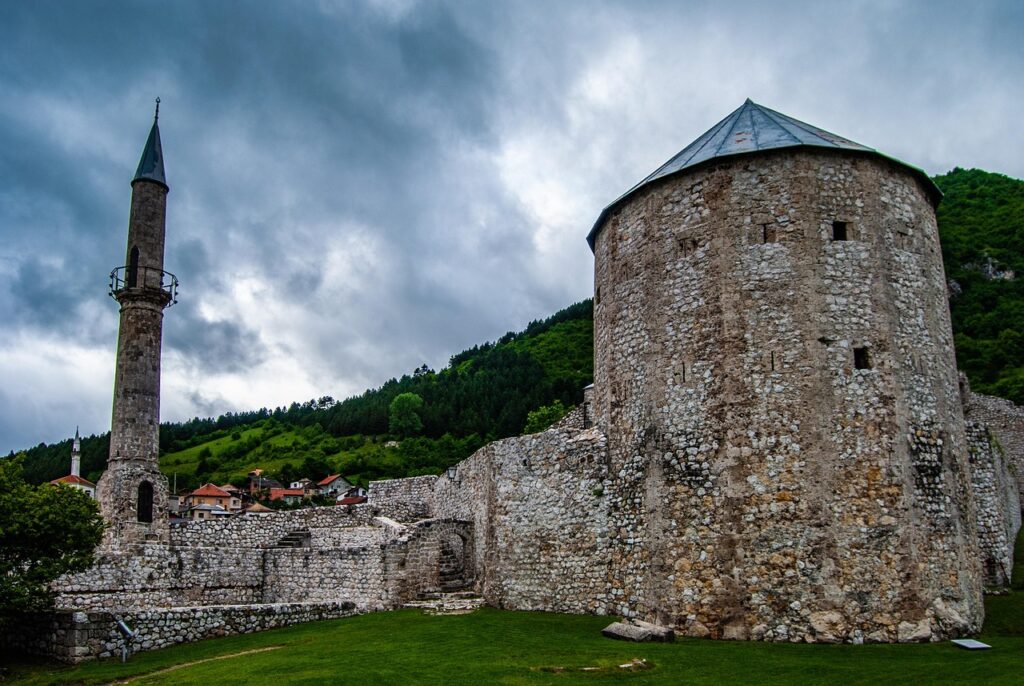
Travnik doesn’t shout for attention—it invites you in. As the birthplace of Ivo Andrić, Bosnia’s Nobel Prize–winning writer, the town feels thoughtful and layered. History here isn’t displayed behind glass; it lives in courtyards, cafes, and slow conversations.
The Fortress & Plava Voda
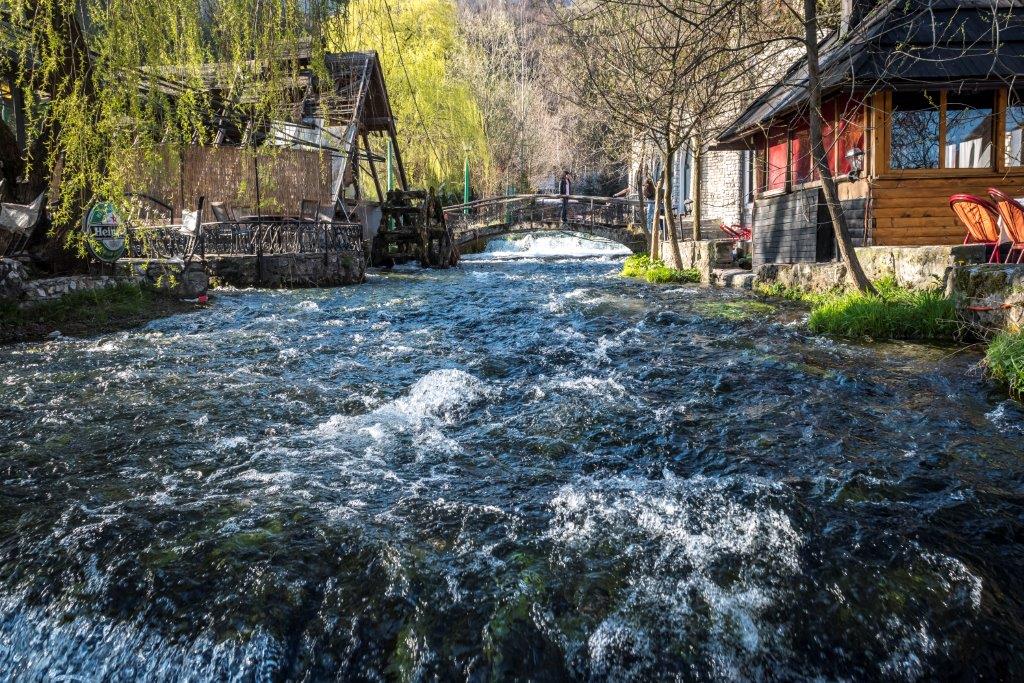
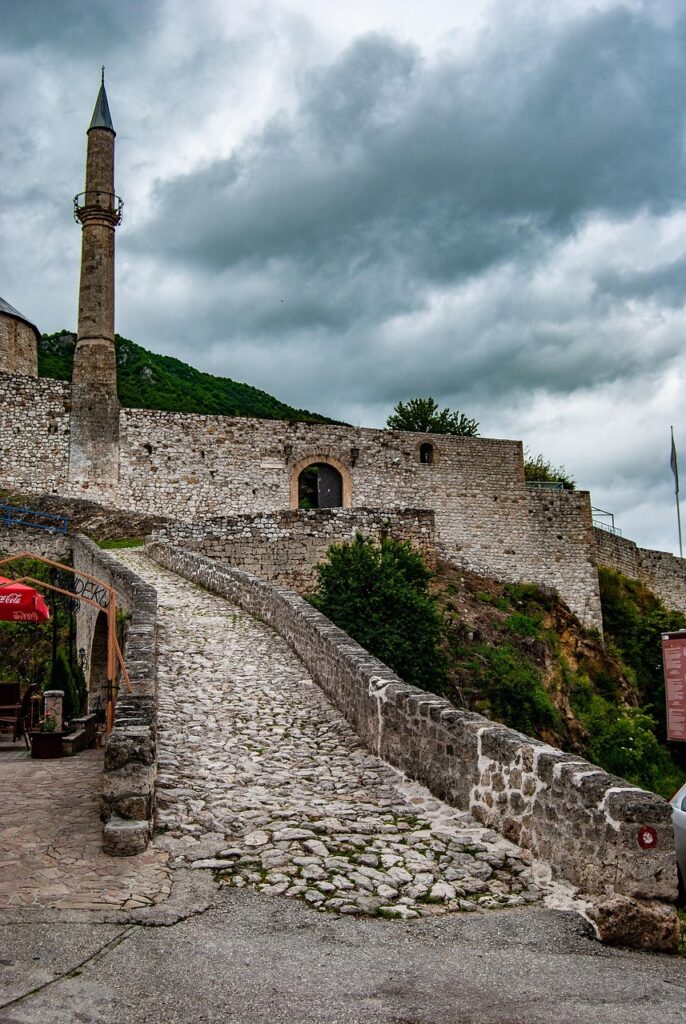
Start your visit at Travnik Fortress (Stari Grad), one of the best-preserved fortresses in Bosnia. From the walls, you’ll see minarets rising gently from the valley and red rooftops spilling toward the river.
Then head down to Plava Voda (Blue Water)—a vivid spring where icy blue-green water flows through cafés and walkways. This is where Travnik slows down. Locals gather for coffee, conversations stretch, and visitors quietly realize they don’t want to rush anymore.
Šarena Džamija & Ivo Andrić’s Legacy
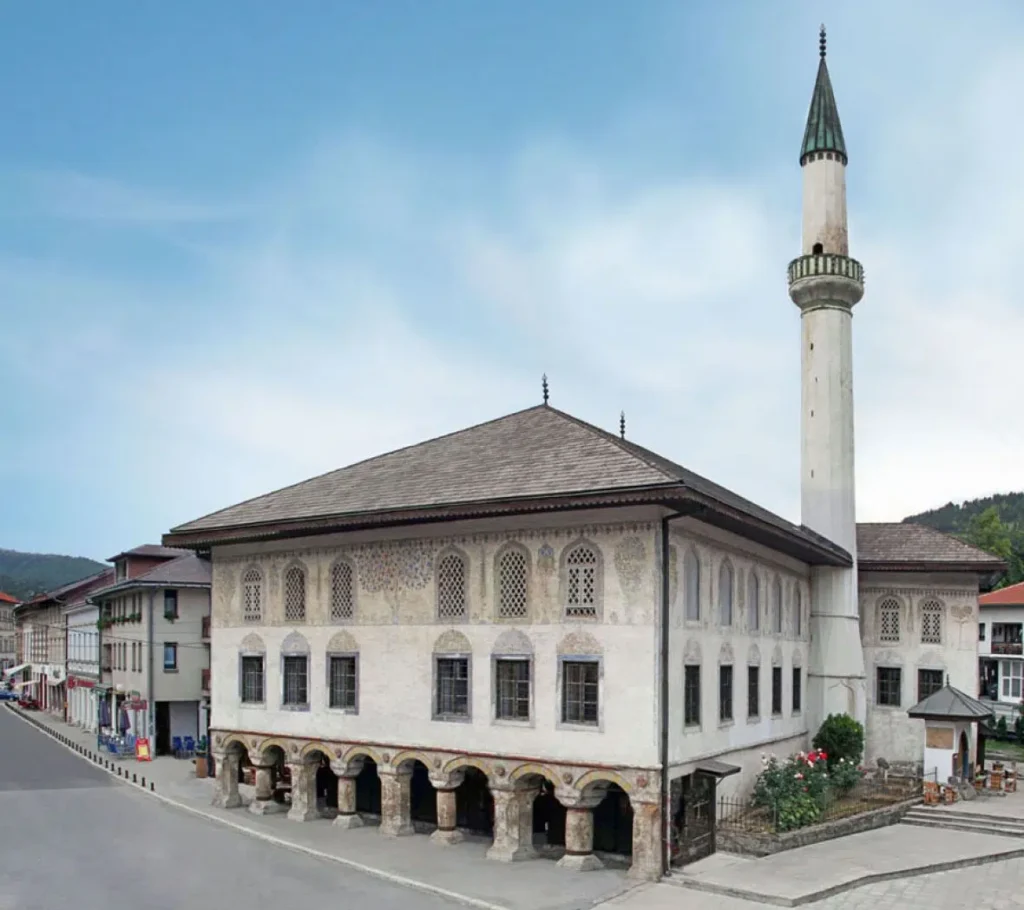
The Šarena Džamija (Colorful Mosque) is unlike any other mosque in Bosnia. Its exterior and interior are painted with floral and geometric motifs, giving it a warmth and elegance rarely seen in religious architecture. Even more unique, it sits above a bezistan (small covered market), blending commerce, community, and spirituality in one structure.
A short walk away lies the Birth House of Ivo Andrić, now a memorial museum. Even if literature isn’t usually your thing, the traditional Bosnian house offers a beautiful glimpse into Ottoman-era domestic life—and the roots of one of the Balkans’ most important writers.
The Great Food Debate: Where to Eat
Let’s address the most serious topic of your trip. You cannot visit this region without trying the food.
The Travnik Ćevapi Wars: Hari vs. Bajra
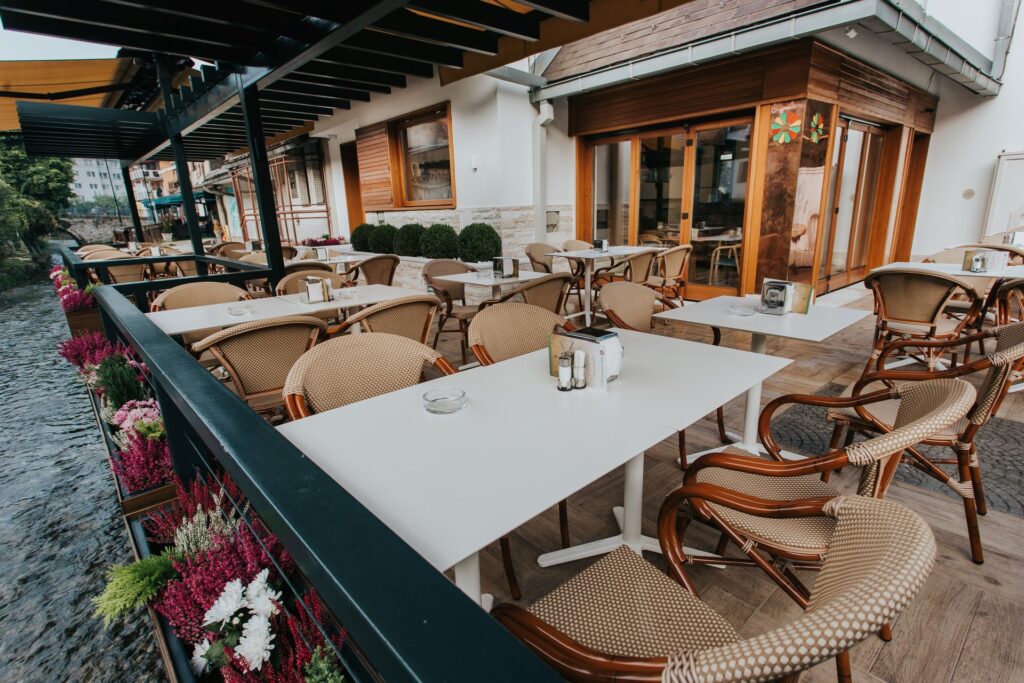
Travnik-style ćevapi are different. The bread is soaked in broth, the meat has a unique texture, and the flavor sparks lifelong loyalty. But where to go?
- Ćevabdžinica Hari: Located right next to the Colorful Mosque. Small, busy, legendary. Purists swear this is the gold standard.
- Bajra: Located at the entrance of town. Larger, easier to park, and fiercely defended by its own fanbase.
Our honest advice: Eat at Hari for the authenticity and the old-town vibe. Argue about it later.
Foodie Tip: Want to know more about what to eat? Read our guide: Top 5 Traditional Bosnian Dishes You Must Try
Jajce: Trout by the Lake
In Jajce, switch gears. The restaurants near the Pliva Lakes serve excellent fresh trout (pastrmka), usually grilled and paired with chard and potatoes. Simple, clean, perfect after a day of exploring.
How to Plan Your Route (Logistics Made Easy)
If you’re driving from Sarajevo toward Bihać or Una National Park, this is the smoothest plan:
- 08:00 – Depart Sarajevo
- 09:30 – Arrive in Travnik: Fortress, Šarena Džamija, coffee at Plava Voda
- 11:30 – Ćevapi lunch at Hari
- 13:00 – Drive to Jajce (scenic ~1 hour drive)
- 14:30 – Pliva Waterfall (best light in afternoon), Fortress & Catacombs
- 17:30 – Pliva Lakes & Watermills (golden hour walk)
- Evening – Overnight in Jajce or continue to Bihać (approx. 2 hours)
Need a car? Check rental prices and availability for your trip here.
Practical Tips for Visitors
- Parking: Paid parking is available near Šarena Džamija (Travnik) and near the waterfall entrance (Jajce).
- Dress code: Modest clothing is required inside mosques (covered shoulders and knees).
- Cash: Carry KM (Bosnian Marks) for entrance fees, parking, and food. Most small cafes do not take cards.
- Photography: Bring a wide-angle lens for Jajce—and a cloth to wipe the waterfall mist off your lens!
Final Thoughts: Central Bosnia at Its Best
Jajce and Travnik are more than convenient stops. They are the emotional center of Bosnia’s story—where kings ruled, viziers governed, poets observed, and rivers still shape daily life.
Whether you’re chasing waterfalls, fortresses, or the perfect plate of ćevapi, these two towns deliver experiences that linger long after the road continues. And that’s exactly what a great road trip is supposed to do.
Where to stay: