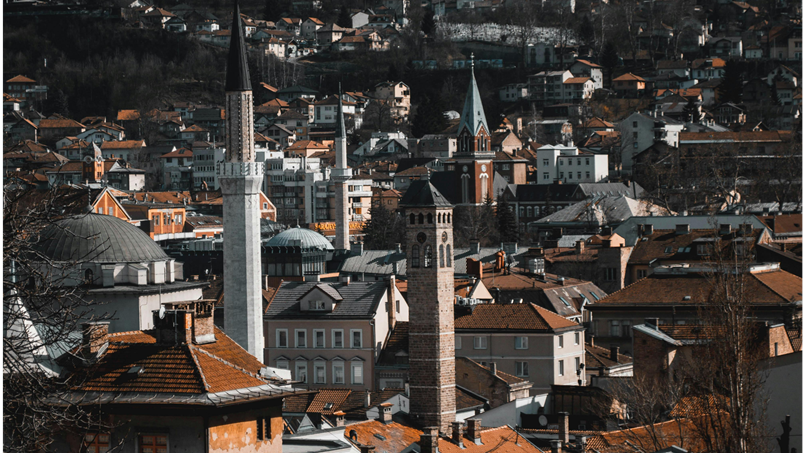
Walk into many Bosnian towns and you’ll notice something quietly extraordinary: minarets, church spires, and synagogue roofs sharing the same skyline, their sounds layering into a unique urban chorus.
Bosnia’s religious landscape — Muslim, Orthodox, Catholic, and Jewish — did not evolve in isolation; it grew in conversation. That is why people call this country the “Jerusalem of Europe.” This is not hype; it’s an invitation to explore how faith communities built, debated, celebrated, and often rebuilt together.
Below is a warm, practical, and culturally sensitive tour of the best religious sites across Bosnia & Herzegovina.
A Short Cultural Frame: Why This Mosaic Is Special
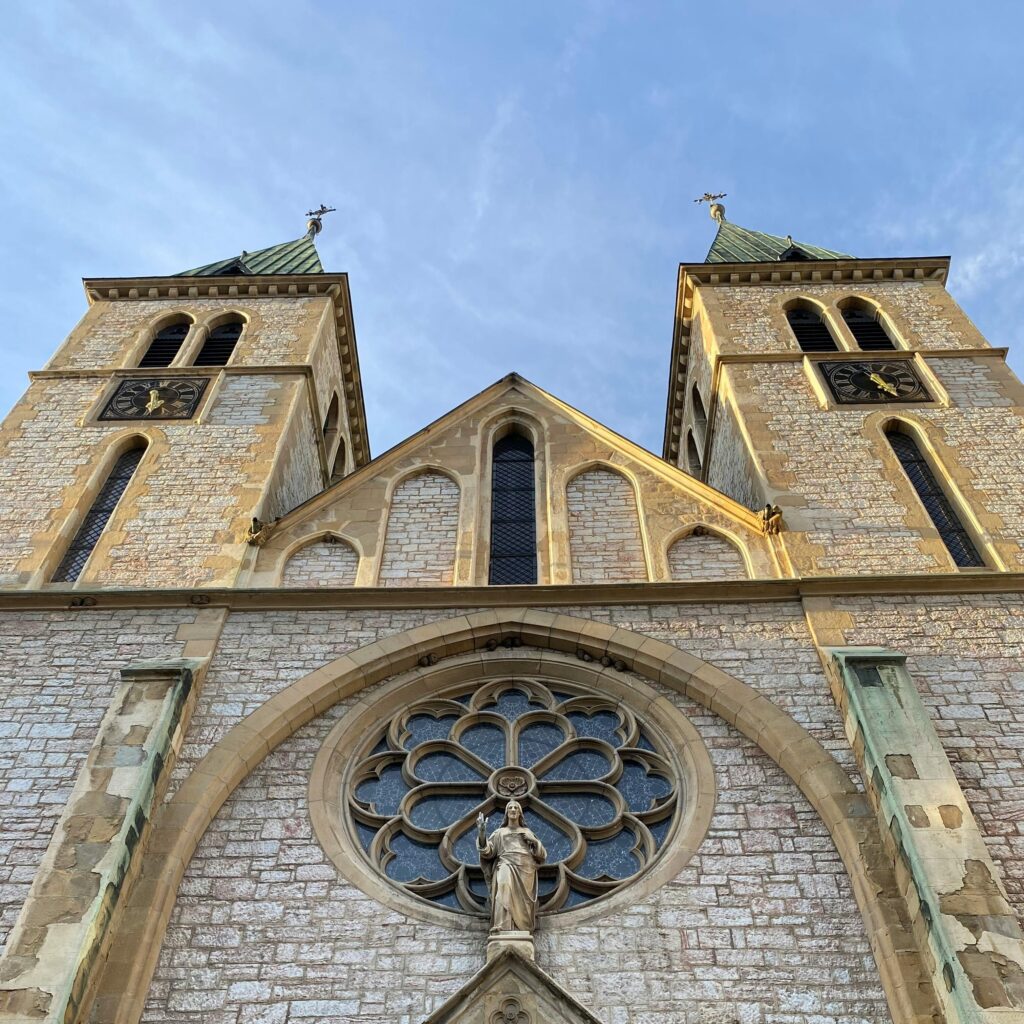
Bosnia’s identity was shaped by Ottoman, Austro-Hungarian, and local Balkan histories. That mixture produced cities where mosques and churches often sit within a few minutes’ walk of each other. This spatial closeness creates a living narrative of coexistence — not always an idealized harmony, but a complex, human tapestry worth exploring slowly.
Sarajevo: The “Jerusalem of Europe”
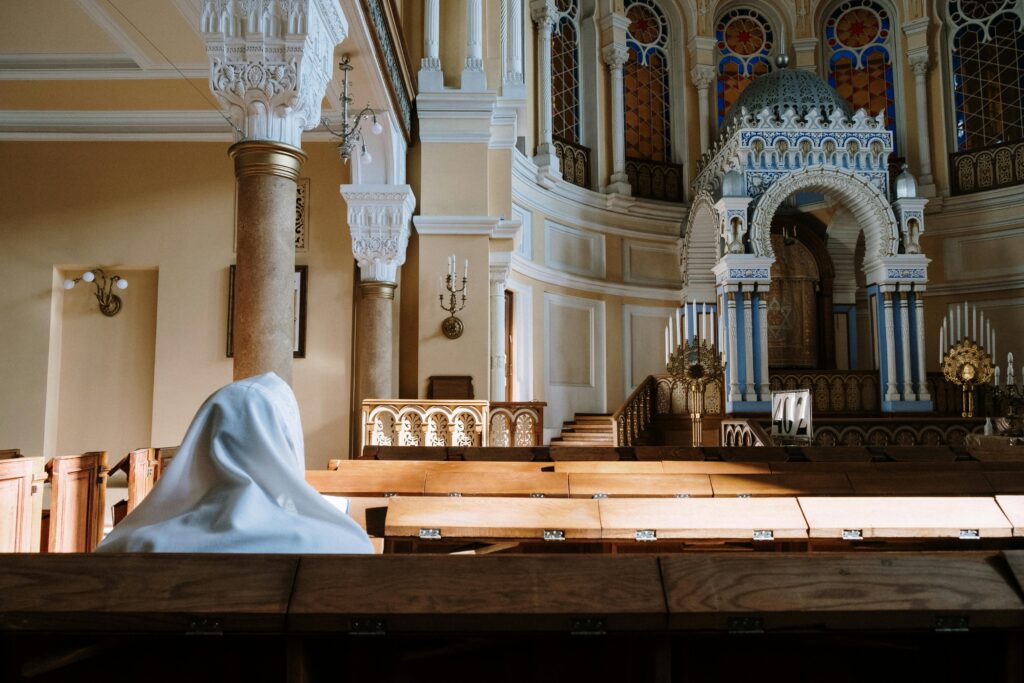
Sarajevo remains the best-known example. Within a tight 500-meter radius in the Old Town (Baščaršija), you can find the four pillars of monotheism. Beyond architecture, Sarajevo offers small, human moments — a call to prayer overlapping with church bells, or the famous Sarajevo Haggadah being protected by neighbors of different faiths throughout history.
While wandering the narrow streets of Baščaršija, take a moment to look at the traditional craftsmanship. If you are looking for authentic gifts, check out our guide on best souvenirs to buy in Sarajevo.
If you want to stay close to the sound of church bells and the call to prayer, check out these top-rated hotels in Sarajevo’s Old Town to find the perfect base for your exploration.
Must-do in Sarajevo:
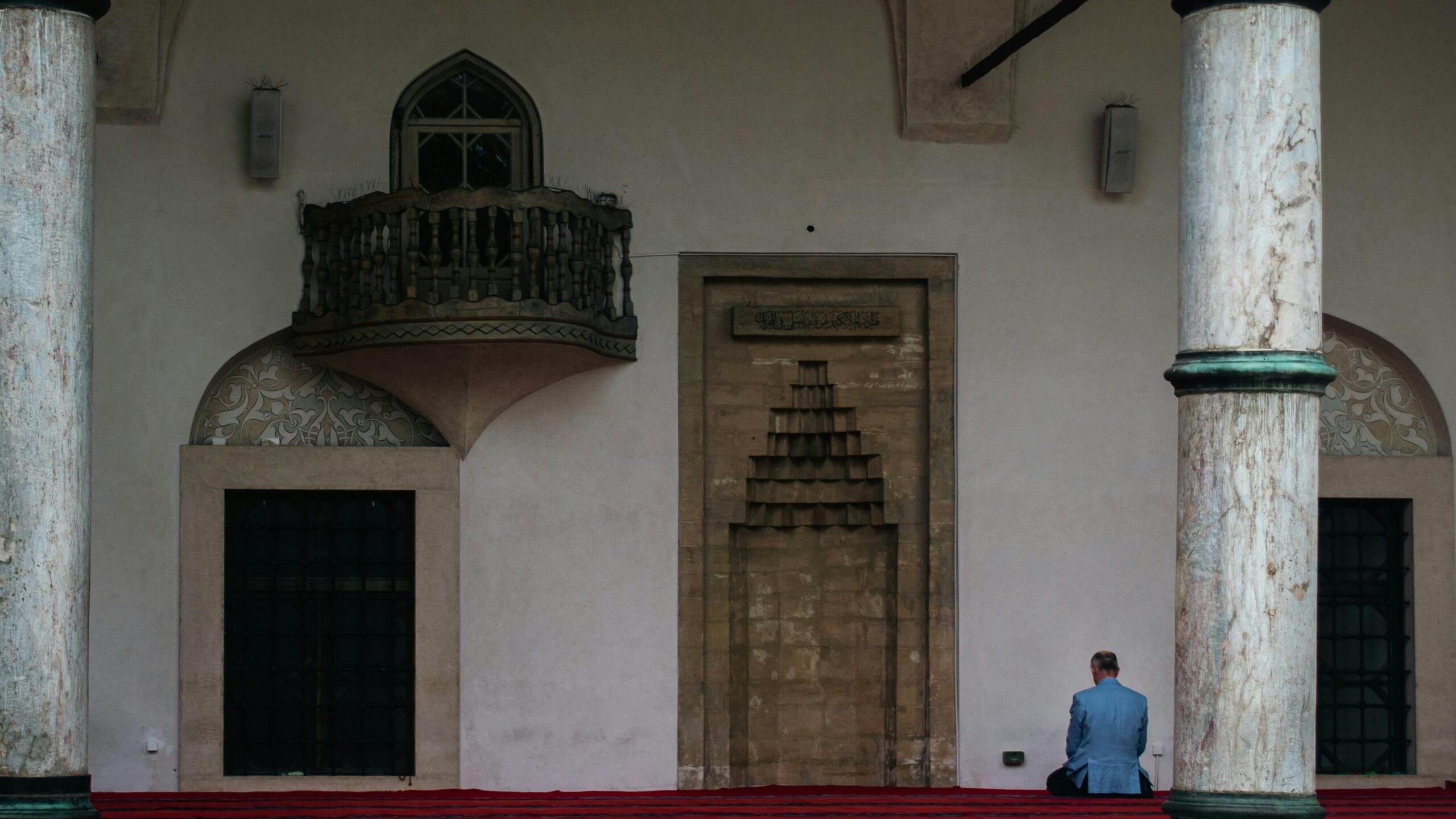
- Gazi Husrev-beg Mosque: Visit the courtyard and its historic library.
- Sacred Heart Cathedral & Old Orthodox Church: Notice how close they stand to each other.
- The Jewish Heritage: Visit the Old Sephardic Synagogue (now the Jewish Museum) and, if you have time, the Old Jewish Cemetery on the slopes of Trebević — the second largest in Europe.
To truly understand the layers of history in the Old Town, I highly recommend booking a guided walking tour of the ‘Jerusalem of Europe’. Hearing the stories of coexistence directly from a local guide brings the architecture to life.
Mostar: Elegance, History & Close-Quarters Faiths
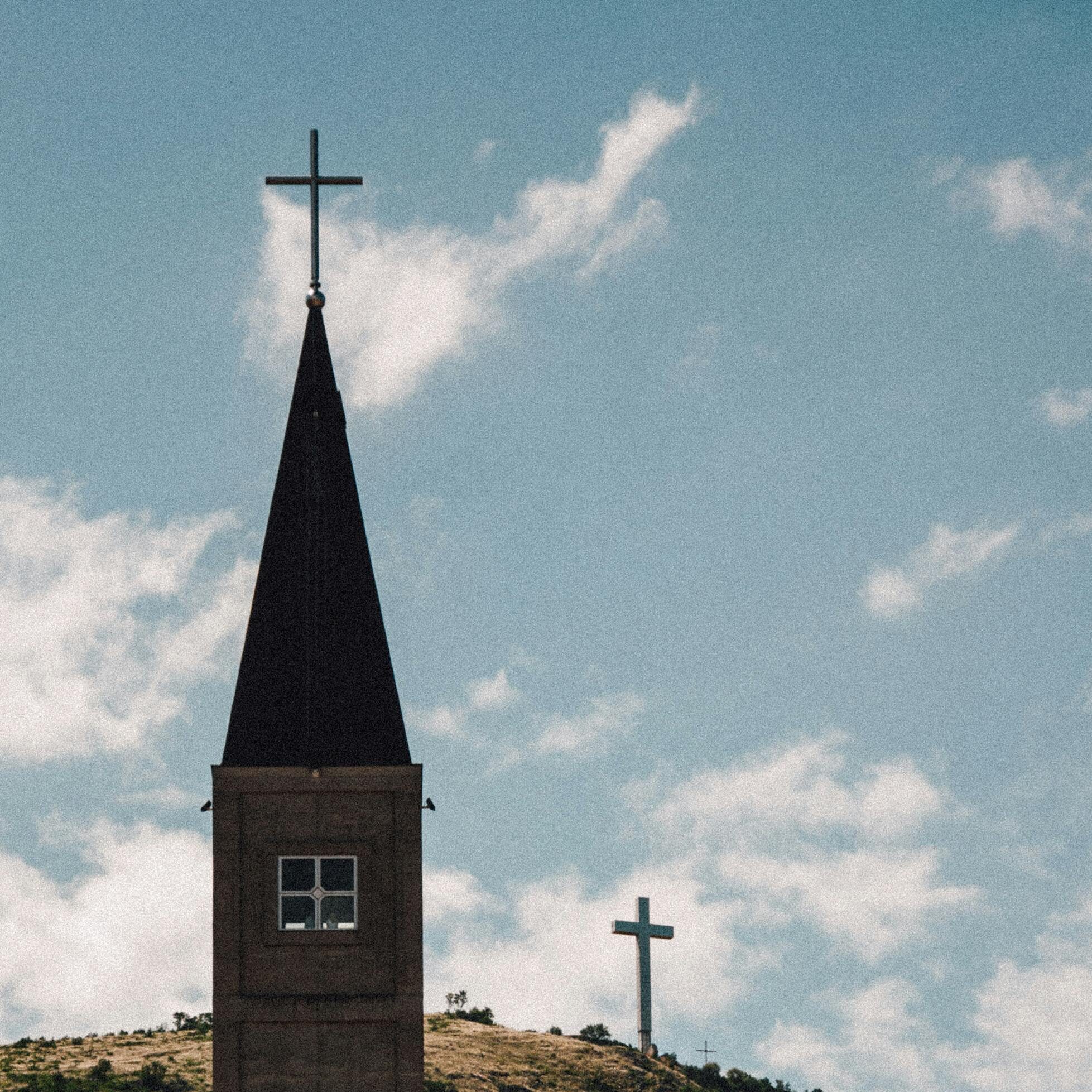
Mostar’s skyline is dramatic: the Old Bridge (Stari Most) arching above the Neretva, flanked by slender minarets and church towers. Here, religious architecture is deeply embedded in stories of reconstruction.
Highlights in Mostar & Surroundings:
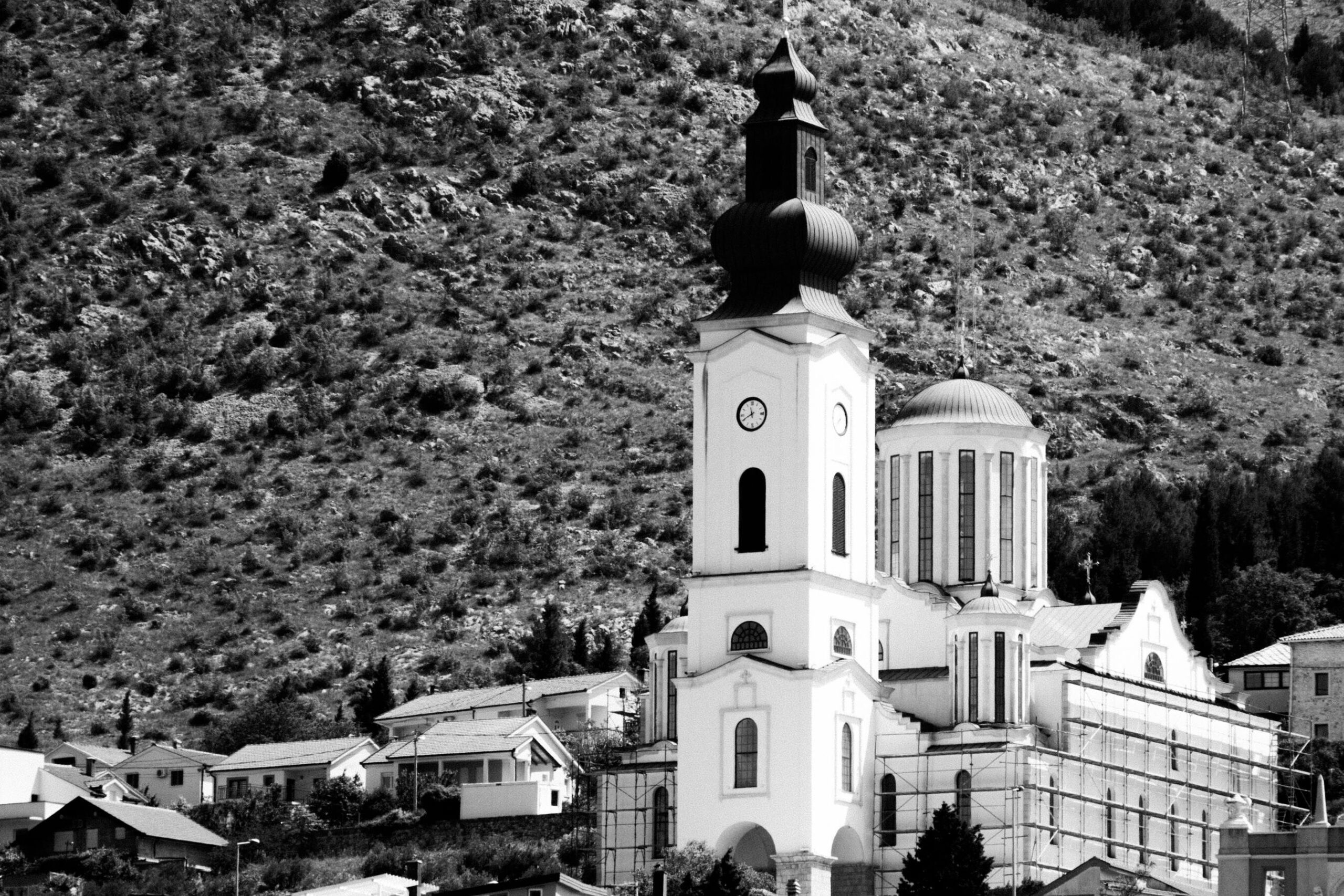
- Holy Trinity Cathedral (Saborna Crkva): Currently being rebuilt, it stands on the hill as a symbol of the Serbian Orthodox community’s return and resilience.
- Koski Mehmed-Pasha Mosque: Climb the minaret for the most famous view of the Old Bridge. The view frames the iconic bridge perfectly. If you are curious about the brave divers who leap from it (or want to know if you can jump), read our full story on Mostar Old Bridge jumping.
- Franciscan Monastery: Its tall bell tower is a landmark of the city.
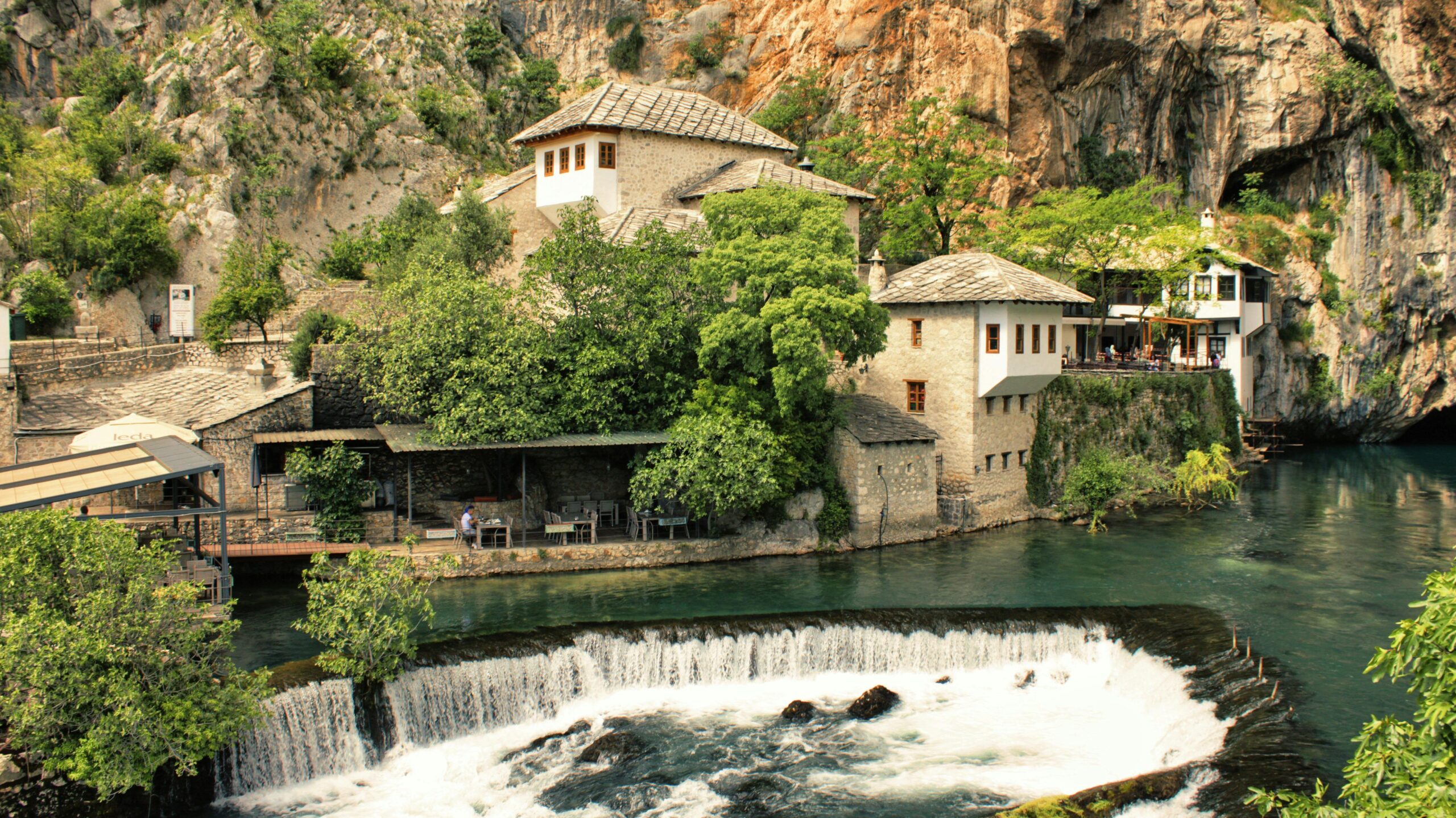
- Blagaj Tekke (Dervish House): Just 15 minutes from Mostar, this mystical Sufi monastery sits at the source of the Buna river. It is a place of peace and spiritual reflection regardless of your faith.
If you are staying in Sarajevo and want to see Mostar, Blagaj, and Počitelj in a single day, the easiest option is to join a full-day Herzegovina tour. It covers all the key religious and historical sites without the hassle of renting a car.
Banja Luka: Ferhadija & Spiritual Layers
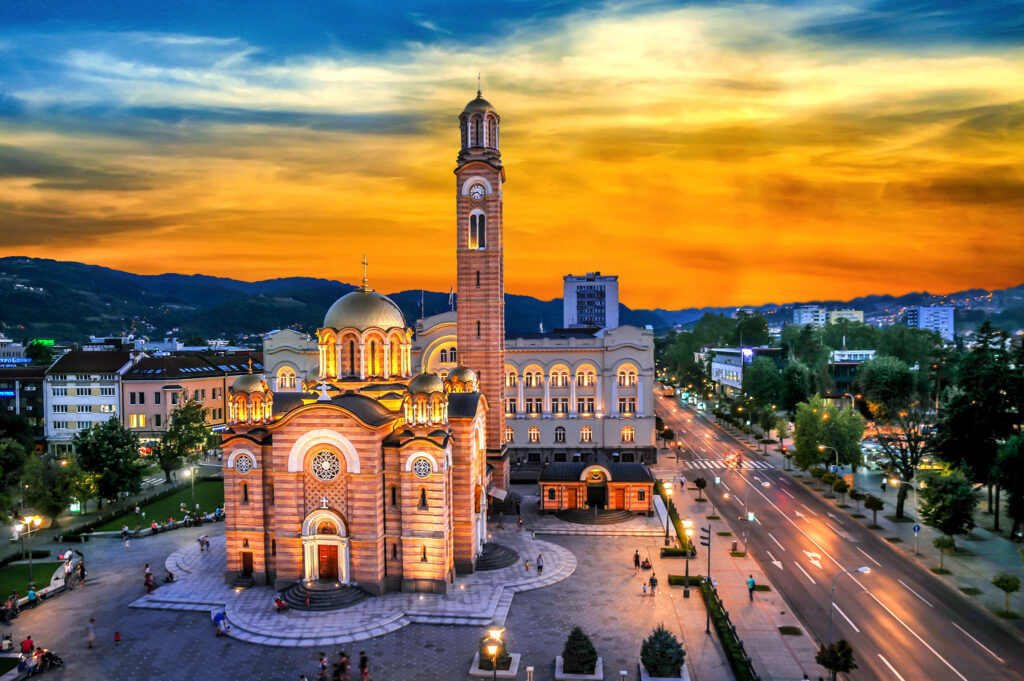
Banja Luka is known for its strong Orthodox presence, highlighted by the stunning Cathedral of Christ the Saviour with its golden domes. However, the city’s spiritual map is much richer.
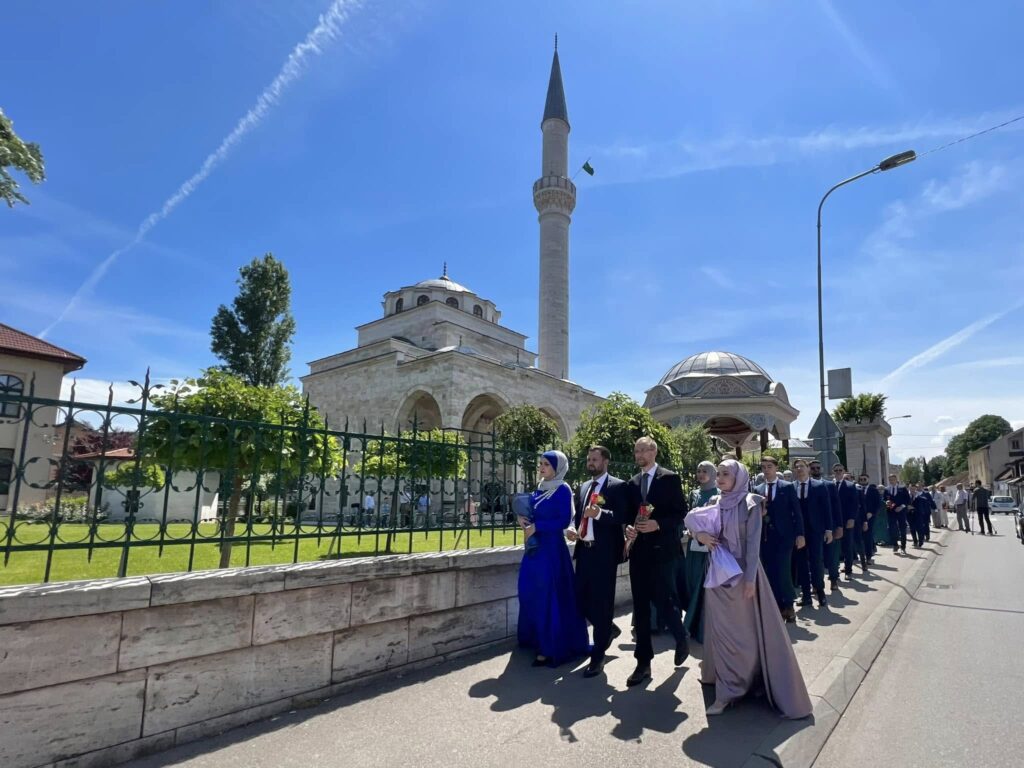
A pivotal landmark is the Ferhadija Mosque, a 16th-century Ottoman masterpiece destroyed in the 1990s and painstakingly rebuilt stone by stone, reopening in 2016. Today, it stands as a UNESCO-recognized effort of restoration and reconciliation. Nearby, you will also find the Trappist Mariastern Abbey, famous for its cheese and long history.
Tuzla: A Modern, Multi-Faith City
Tuzla is often overlooked, but it is an excellent lens into Bosnia’s civic diversity. The city’s religious buildings are integrated into a lively urban fabric shaped by students and modern life.
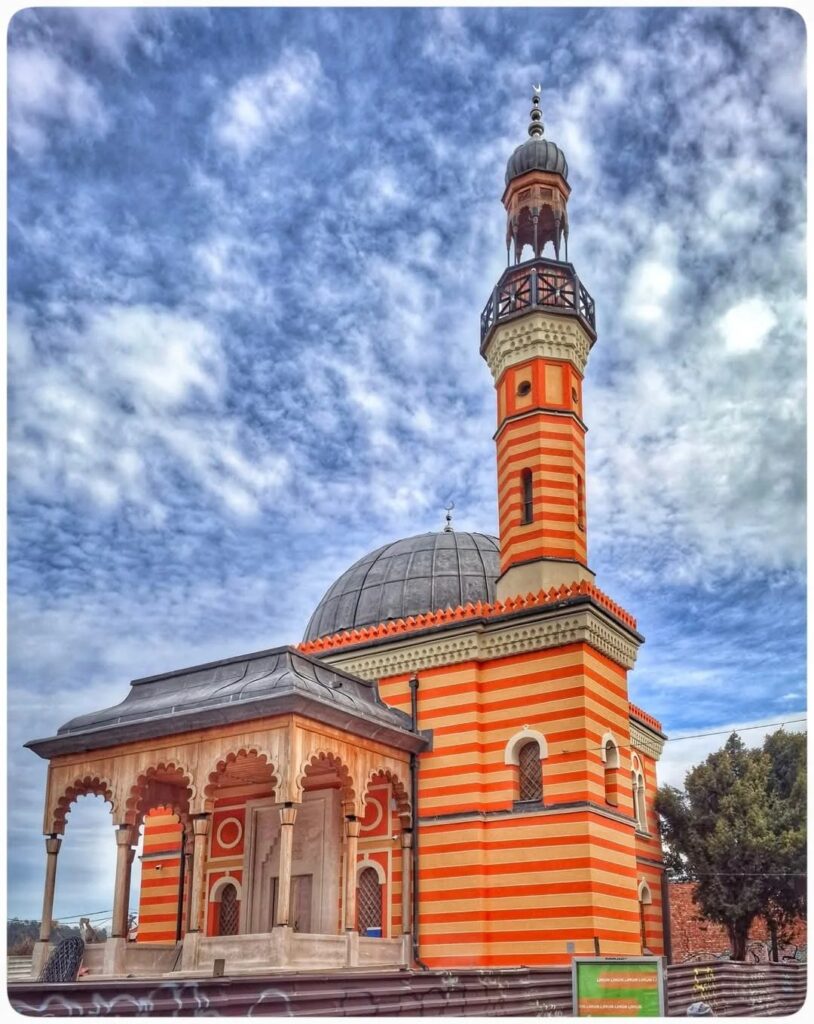
- Why go: Combine a visit to the Pannonian Lakes with a stroll to the Šarena (Colorful) Mosque and the local Orthodox and Catholic sites, which have coexisted here peacefully for centuries.
Other Spiritual Sites Worth Visiting
- Jajce: Home to the Church of St. Mary (where the last Bosnian King was crowned) and the underlying Catacombs.
- Travnik: Known for its “Colorful Mosque” (Sulejmanija) and a skyline pierced by numerous minarets and clock towers.
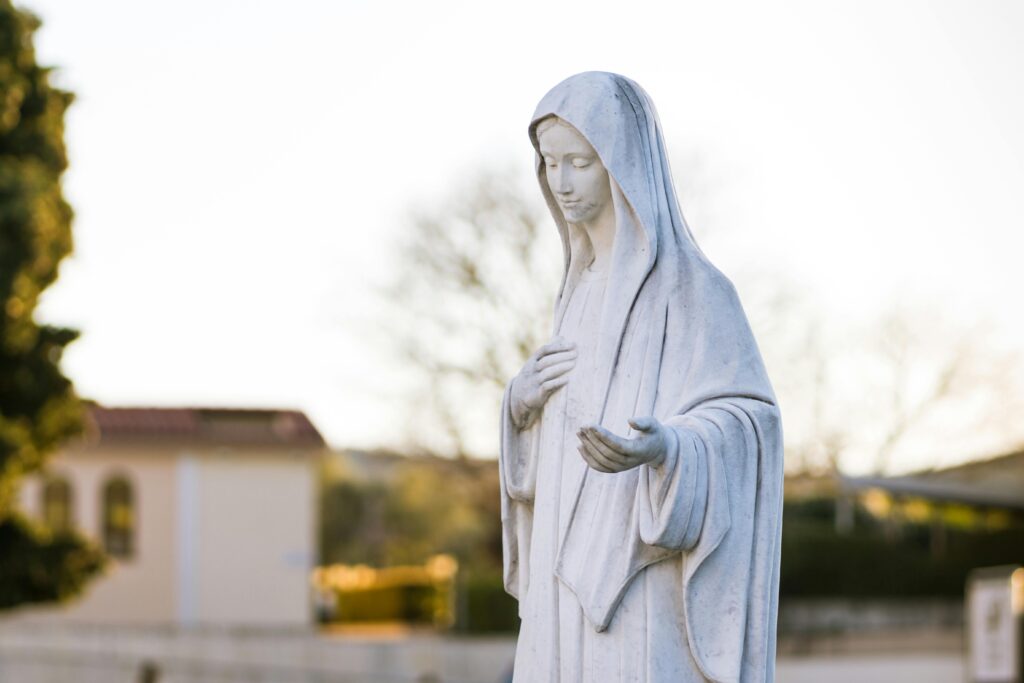
- Medjugorje: A world-famous Catholic pilgrimage site located near Mostar, attracting millions of visitors to Apparition Hill.
- Bihać: Home to the Fethija Mosque (originally a Gothic church), this town is also the gateway to the stunning nature described in our Una National Park guide.
Since public transport can be tricky, many pilgrims and visitors opt for a private transfer or guided tour to Medjugorje, ensuring a stress-free visit to the sacred sites.
How to Visit Respectfully — Practical Tips
Religious sites are living places. A camera is great, but curiosity paired with respect opens more doors.
- Dress Modestly: For mosques and Orthodox churches, cover shoulders and knees. Women may be asked to cover hair in mosques (scarves are often provided at the entrance).
- Photography: Ask before photographing people during prayer.
- Shoes: Be prepared to remove shoes before entering the prayer area of a mosque.
- Silence: Observe silence inside sanctuaries. Even if you’re not religious, quiet shows respect.
Ready to experience the spiritual diversity of Bosnia yourself? You can compare flights, find car rentals, and book the best hotels across the country here with Expedia to start planning your journey.
Final Thought
Religious tourism in Bosnia is not just about seeing pretty buildings — it’s about entering a living story of neighbors. To understand Bosnia’s unique quality, walk its different towns — Sarajevo’s layered alleys, Mostar’s graceful intersections, and Banja Luka’s civic heart. Each place offers a chapter in a complicated, hopeful story of faith, identity, and everyday coexistence.