
Picture this: a wide, wind-brushed plateau, the sky so big it could swallow your camera, and hundreds of horses moving across the grass like living brushstrokes. No fences, no stables — just freedom, thunderous hooves, and a soundtrack of bell-like whinnies. Welcome to Livno, the place in Bosnia where wild horses still roam, and where a day trip feels less like tourism and more like a fragment of a movie you get to be in.
This is a love letter to the wild horses of Livno — how to find them, how to see them without getting in trouble, what to pack, and why this little-known corner of Europe is fast becoming a must-do on adventurous travel lists.
To plan your trip stress-free, whether you’re looking for the best flight deals, accommodation, or need to rent a car to explore the countryside freely, I recommend checking out Expedia.com.
Why Livno Feels Like a Mini Safari
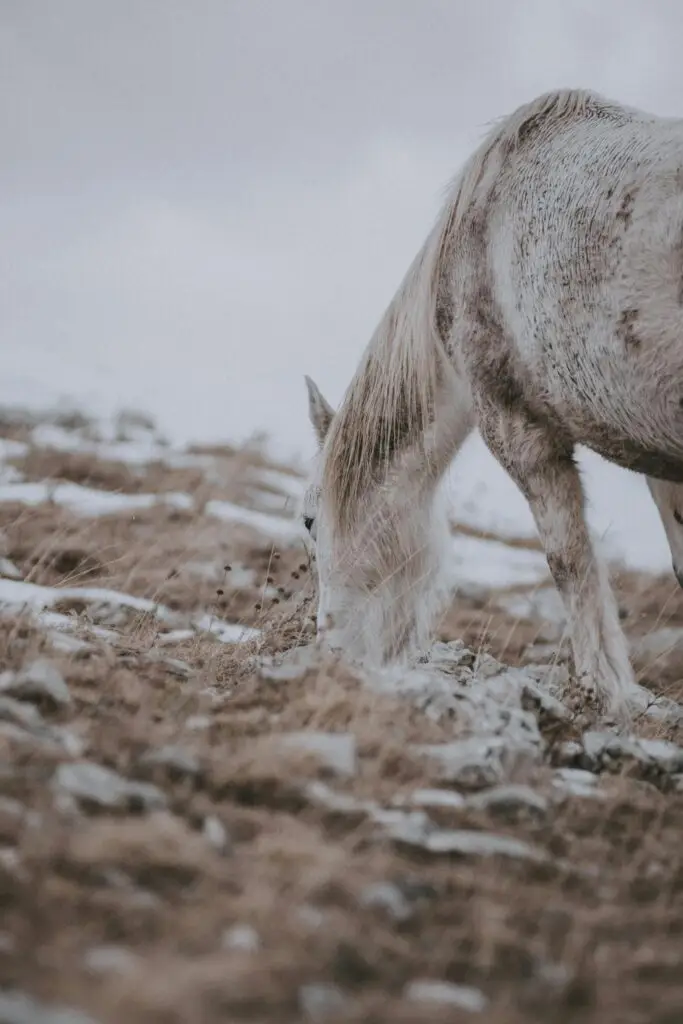
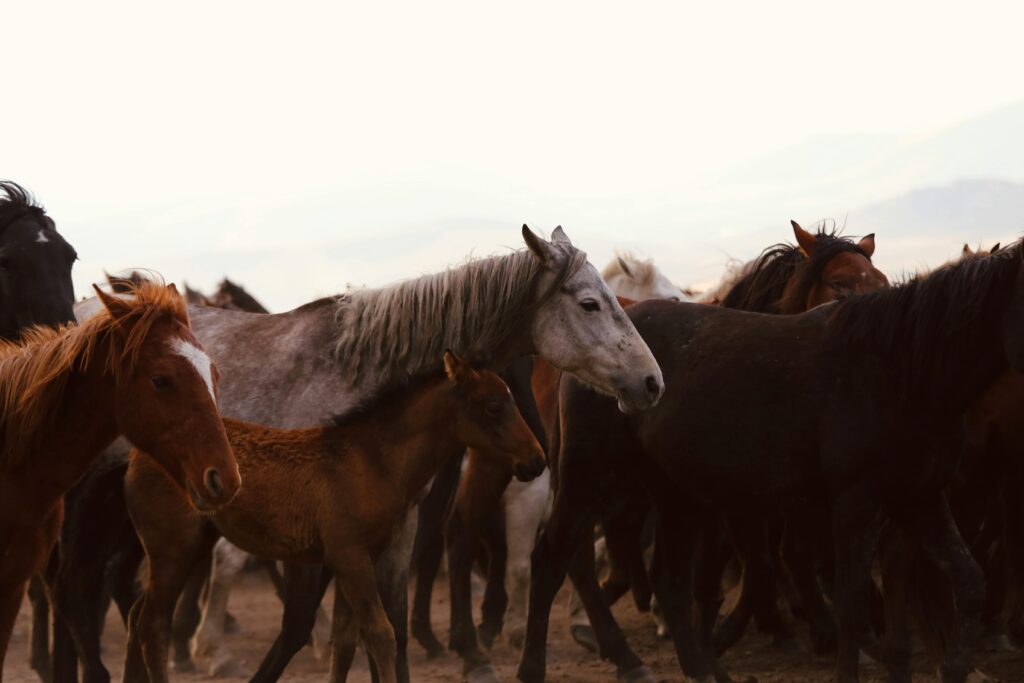
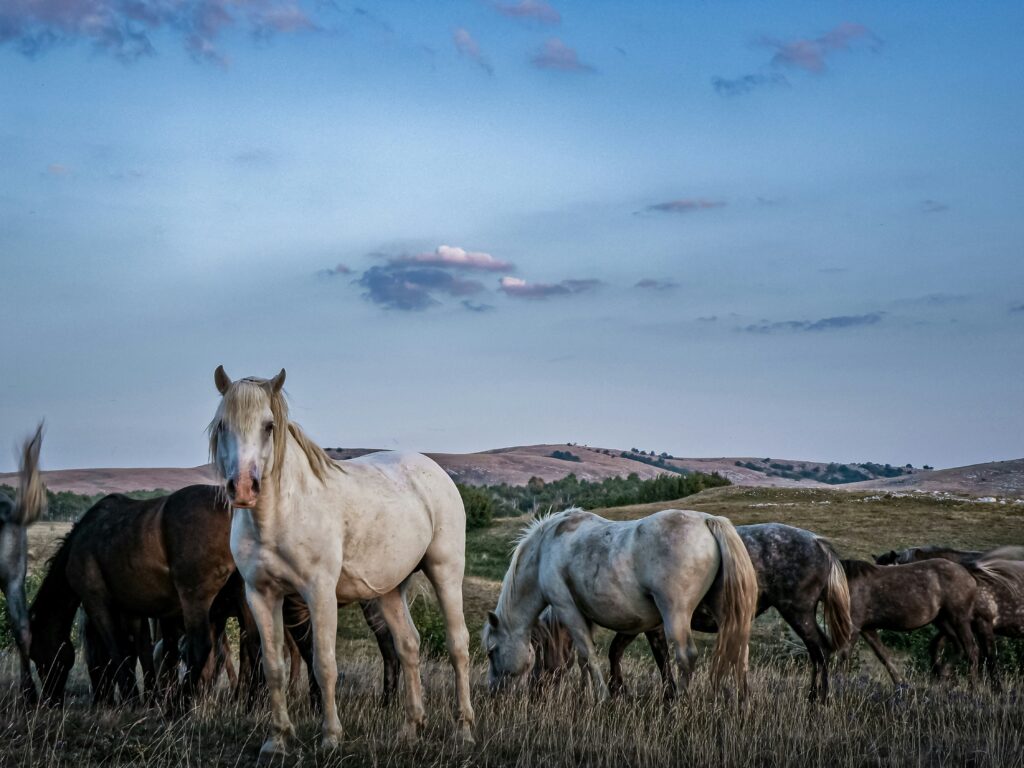
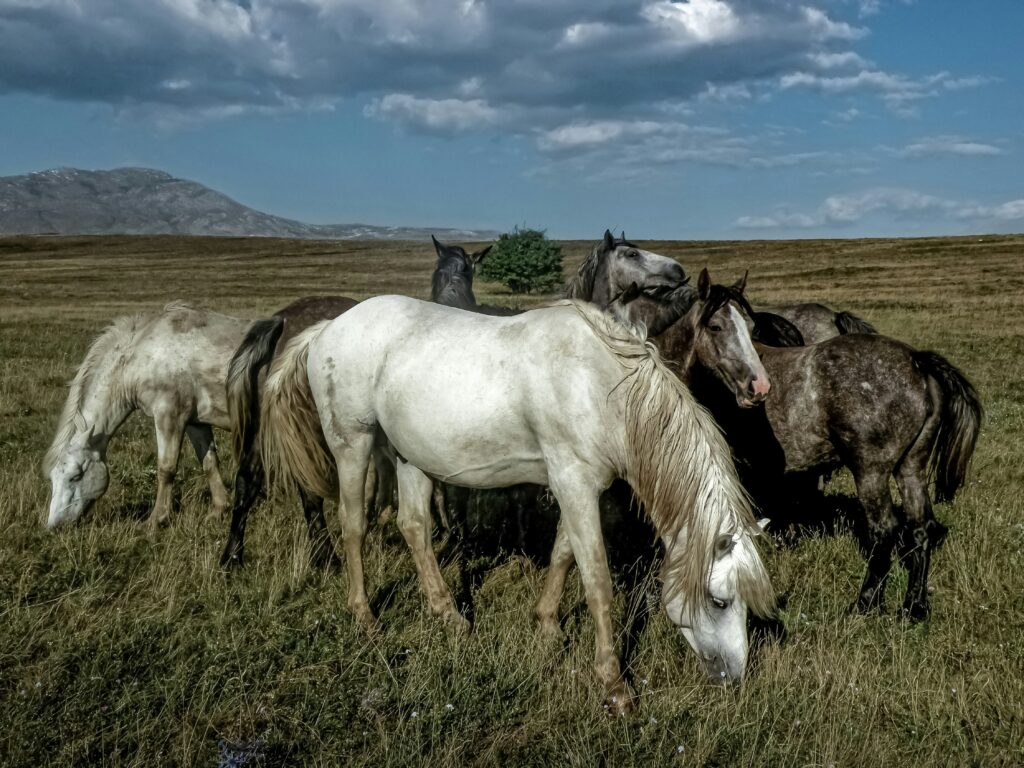
Livno’s herds live on the high plateaus around Cincar Mountain and the surrounding karst fields that rise above the Livanjsko Polje. The scene has a raw, cinematic quality: horses, foals, and stallions in every shade of chestnut and grey move across the open land like a slow, noble tide. Locals and guides call it a “photo safari” for a reason — the spectacle is best enjoyed from a respectful distance as the animals roam freely across huge, unbroken pastures.
Estimating how many horses roam here depends on who you ask. Some local operators and photographers speak of several hundred animals; other promoters have used larger numbers in marketing. The important thing? There are enough horses to give the place the mythic, cinematic feeling that so many travelers crave.
How to See Them (Spoiler: Book a Local Safari)

You can’t just turn up on a tractor and expect to stumble into a herd — the horses live on wide, sometimes remote plateaus, and local guides know where they spend their days. The easiest, most responsible way to see them is to join a guided wild-horse safari. These range from gentle photo safaris in 4×4 vehicles to quad tours, and even combined day trips that add cultural stops around Livno. Several local operators run half- or full-day excursions; many recommend booking in advance, especially in spring and summer.
Most tours operate from spring through early autumn (roughly March–November), when weather and access are best. If your inner photographer is asking, aim for early morning or late afternoon light — that golden-hour glow turns manes into molten silk.
Getting There: Where Livno Fits on Your Balkan Map
Livno sits in southwestern Bosnia, comfortably reachable from Sarajevo, Mostar, and even Split on the Croatian coast. Some operators advertise day trips from those cities, which makes Livno an accessible detour if you’re driving the region or planning a nature-packed day from a nearby hub. If you’re coming from Split, expect about a 90–150 minute drive depending on route and border formalities.
Since Livno is very close to the Croatian border, many travelers visit as a day trip from the coast. Check out these Day Tours from Split to Bosnia to see how easily you can combine the two countries.
What to Expect on the Safari (and How Not to Be That Tourist)
A typical wild-horse safari is part expedition, part photoshoot:
- Vehicles: 4x4s or rugged jeeps are common; some companies use ATVs for smaller groups. Expect bumpy, beautiful roads.
- Guides: Local guides read the land and the animals — they’ll get you close without stressing the herd. Good guides are worth every euro.
- Duration: Anything from a 2–3 hour outing to a full day that includes Livno town highlights and tasting local cheese.
- Cost: Prices vary, but recent listings and offers put group excursions in a moderate range (expect paid guided tours rather than free wandering). Always confirm what’s included.
Livno cheese is legendary, but it’s just the start of the feast. Discover what else you need to eat in our guide to Top 5 Traditional Bosnian Dishes.
How not to be That Tourist: don’t try to approach or feed the horses, don’t chase foals for a closer photo, and don’t block their paths — these are still wild animals and they deserve space and respect.
If you love off-road adventures and wild nature, you might also enjoy an ATV Quad Bike Tour in the Bosnian Mountains. It offers a similar adrenaline rush and spectacular views
Photography Tips (Because You’ll Want the Shot)
- Bring a telephoto lens. Something in the 70–200mm range gives you great close-ups without invading animal space.
- Shoot RAW if you can. The light and texture here reward flexible editing.
- Mind the light. Dawn and dusk are cinematic; midday can be harsh.
- Be patient. The best shots come when the herd relaxes and natural behaviors unfold.
- Safety first. Never put yourself between a mare and her foal, and listen to your guide’s positioning instructions.
When to Go: Best Seasons & Weather Realities
- Spring (April–June): Foals appear, pastures are fresh, and weather is mild. This is peak natural drama.
- Summer (July–September): Warm, reliable days but more tourists — still excellent for clear, blue-sky photos.
- Autumn: Cooler, dramatic skies, and beautiful color palettes across the plateau.
Winter visits are possible but require a tougher mindset — snow can close access and tours often pause. Always check with operators before booking.
Winter visits to Livno can be tough due to snow. If you prefer your snow with ski lifts and hot wine, check out our guide to Skiing in Bosnia on a Budget instead.
Respect, Conservation & Local Communities
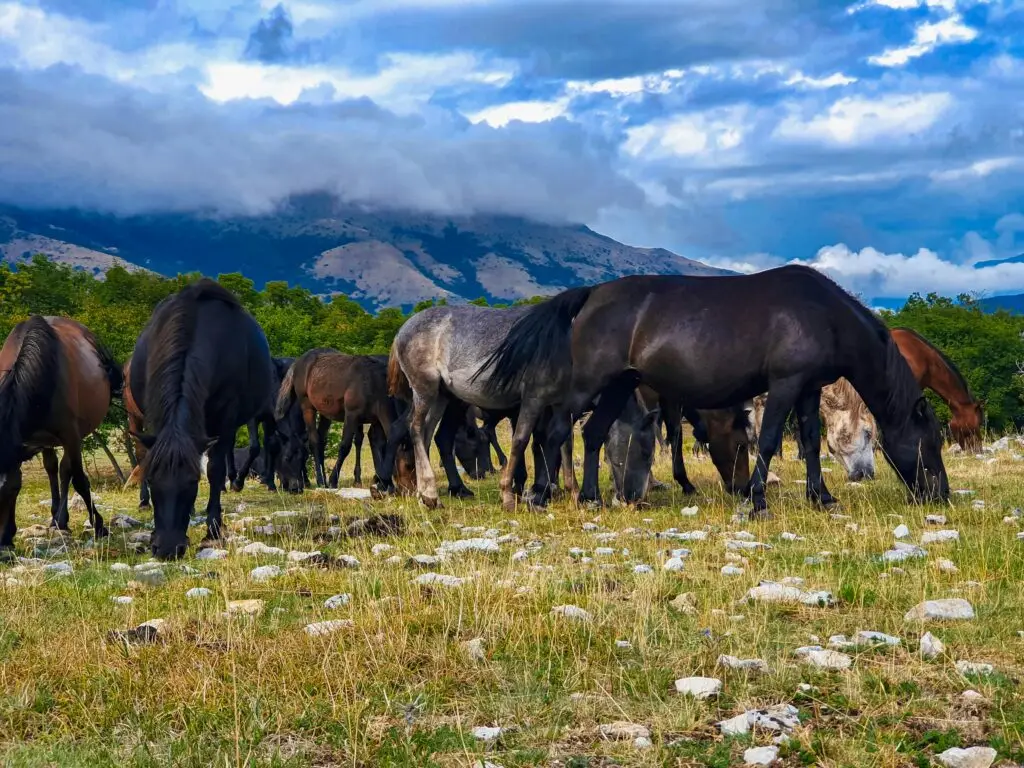
The wild horses of Livno are part of a fragile landscape and a living tradition. Tourism can be a force for good when it’s guided by local communities who care for the land and educate visitors. Choose operators that follow ethical viewing practices, contribute to conservation or local economies, and respect seasonal limits. That way you help protect the animals and ensure this spectacle survives for future travelers.
Practical Tips: What to Pack & Expect
- Sturdy shoes and layers — weather in the highlands can change fast.
- Sun protection — high plateaus mean strong sunlight.
- Water and snacks — some tours include a picnic, but it’s wise to bring snacks.
- Binoculars — great for getting detail without approaching.
- Cash — many small operators prefer or require payment by cash or local transfer.
Payment in Livno is often old-school (cash only). Confused about Bosnian Marks? Read our guide on 10 Things You Need to Know Before Visiting BiH for essential money tips.
Final Thoughts: Why Livno Feels Special
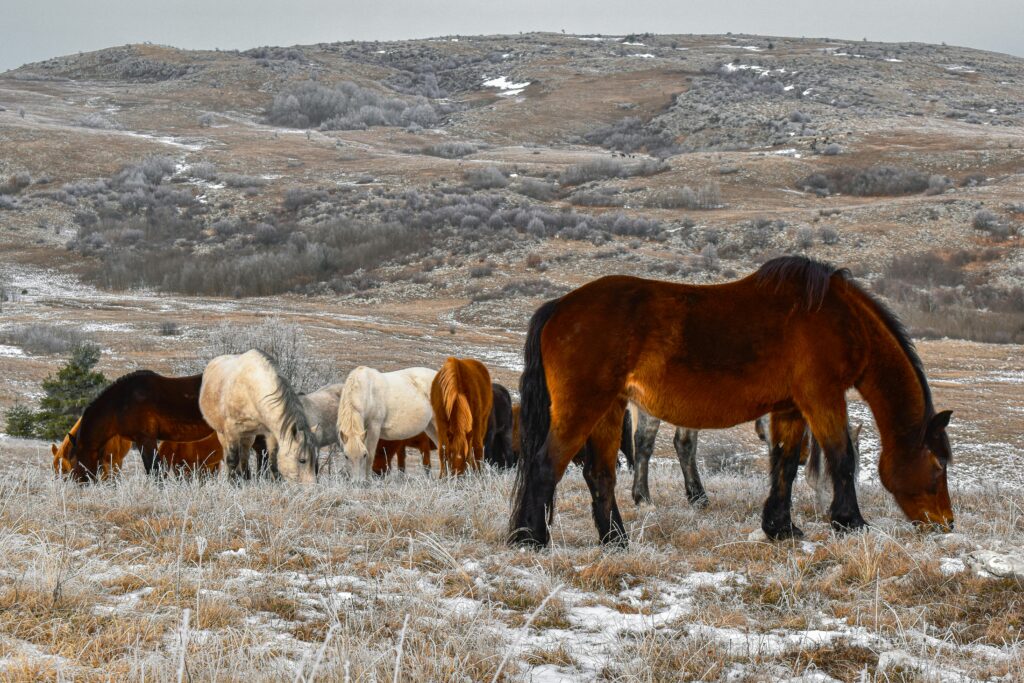
There’s an electric, primally beautiful quality to watching horses run free across an open plain. In Livno you get that feeling without trekking to Mongolia or Iceland — a European patch of wildness that’s surprisingly accessible, deeply photogenic, and humbling in its simplicity. It’s not just a tour; it’s a reminder that magic still exists in some corners of our map.
Livno is just the beginning of the magic in this region. While you are in the south-west, don’t miss the chance to explore the classics on a Full Day Tour of Mostar and Herzegovina.