
Imagine a place where a river refuses to be ordinary — it rushes, it curls, it throws curtains of water off limestone lips and then calms again into glassy pools so clear you can see trout rehearsing their next move. This is Una National Park, and at its heart (and heart-stopping center) sits Štrbački Buk — a waterfall so spectacular it makes postcards blush.
To plan your trip stress-free, whether you’re looking for the best flight deals, accommodation, or need to rent a car to explore the countryside freely, I recommend checking out Expedia.com.
If you love wild water, easy hiking, dramatic photography, and small-town hospitality served with a big smile, put Bihać and Una on your radar. Here’s why this corner of Bosnia & Herzegovina deserves a top spot on your travel map — plus everything practical you need to plan the perfect visit.
Why Una Is Special (Spoiler: It’s the Water)
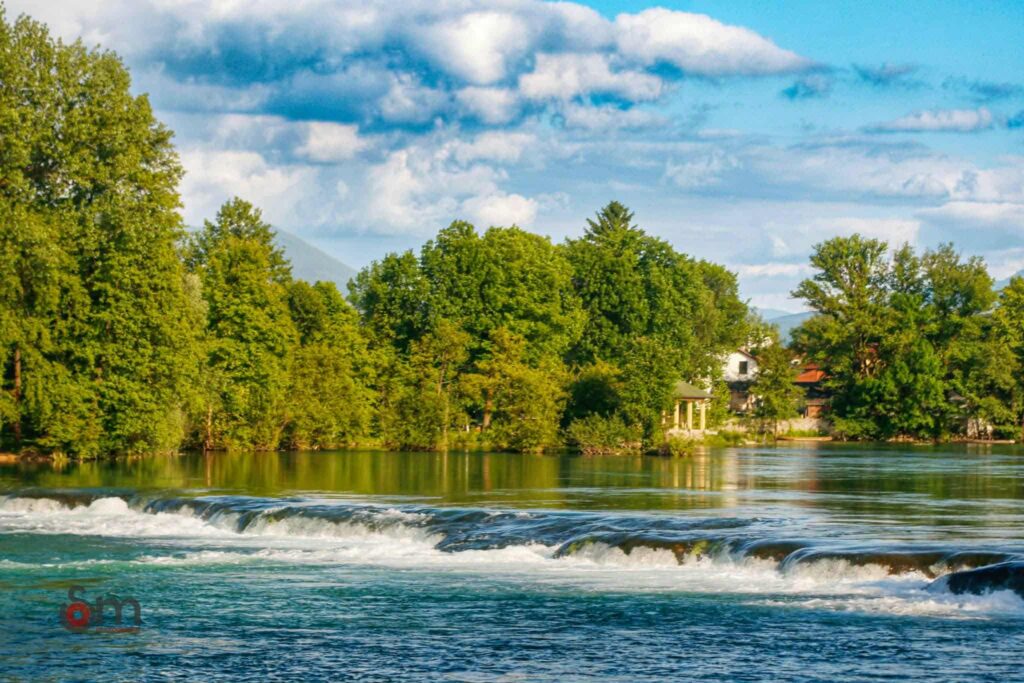
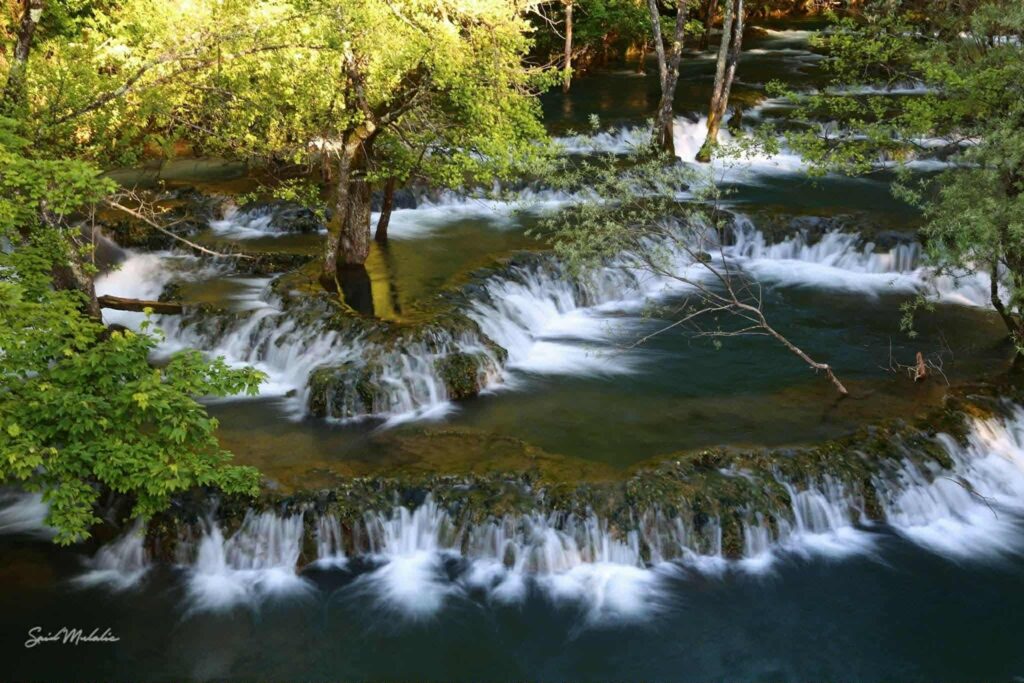
Una is not one dramatic waterfall surrounded by parking lots and souvenir stalls. It’s a river system — dozens of falls, cascades, turquoise pools, and limestone gorges — arranged like a natural orchestra that crescendos at Štrbački Buk. The park’s combination of raw scenery, accessible trails, and active-water adventures makes it ideal for everyone from families to adrenaline seekers.
Bihać, the friendly town that acts as the gateway to the park, is more than a pit stop; it’s where you refill on good coffee, meet local guides, and feel the kind of warmth that makes a place memorable.
Štrbački Buk: The Star Attraction
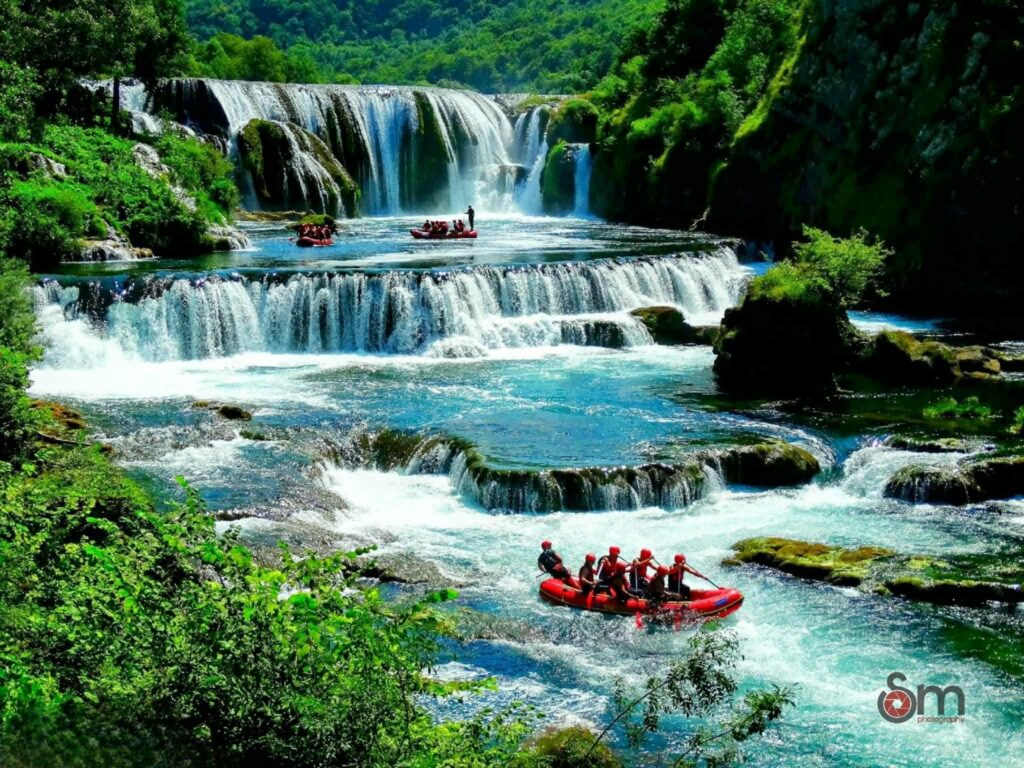
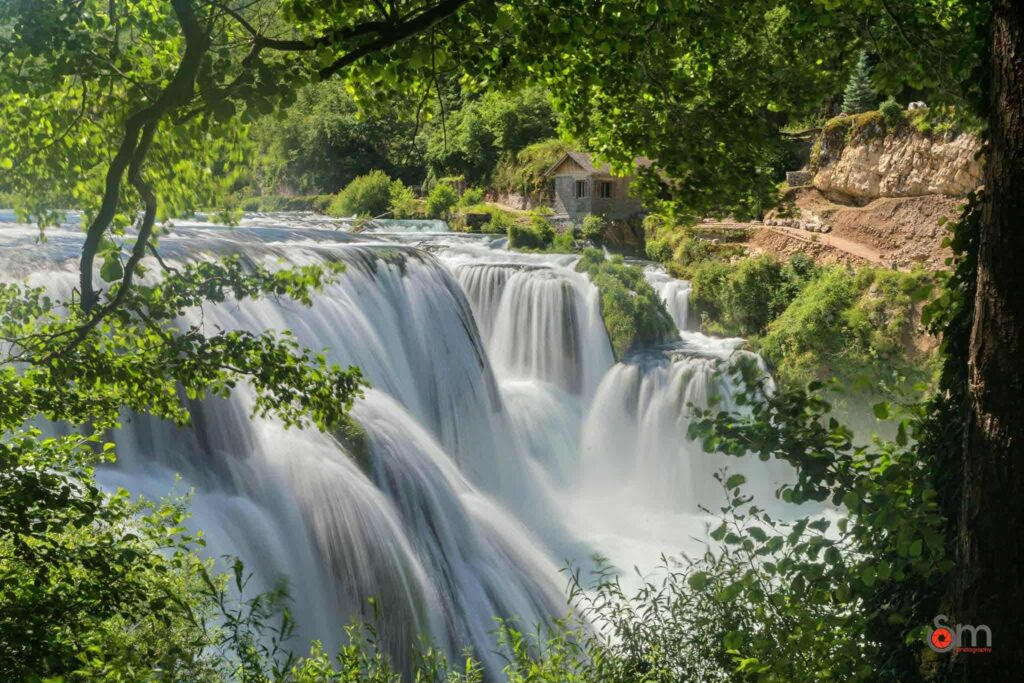
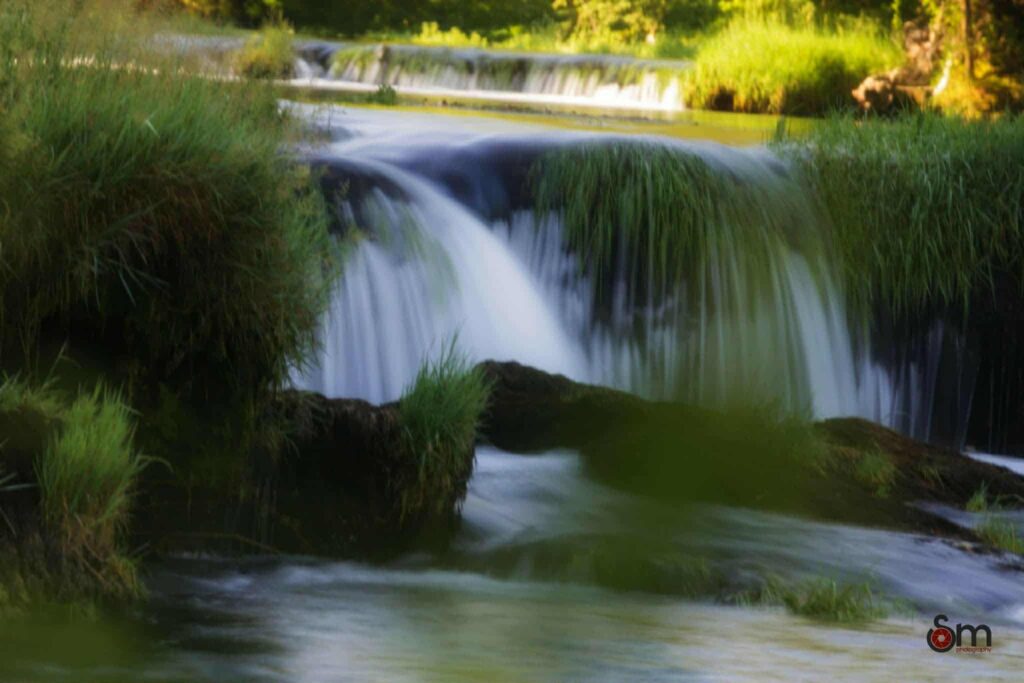
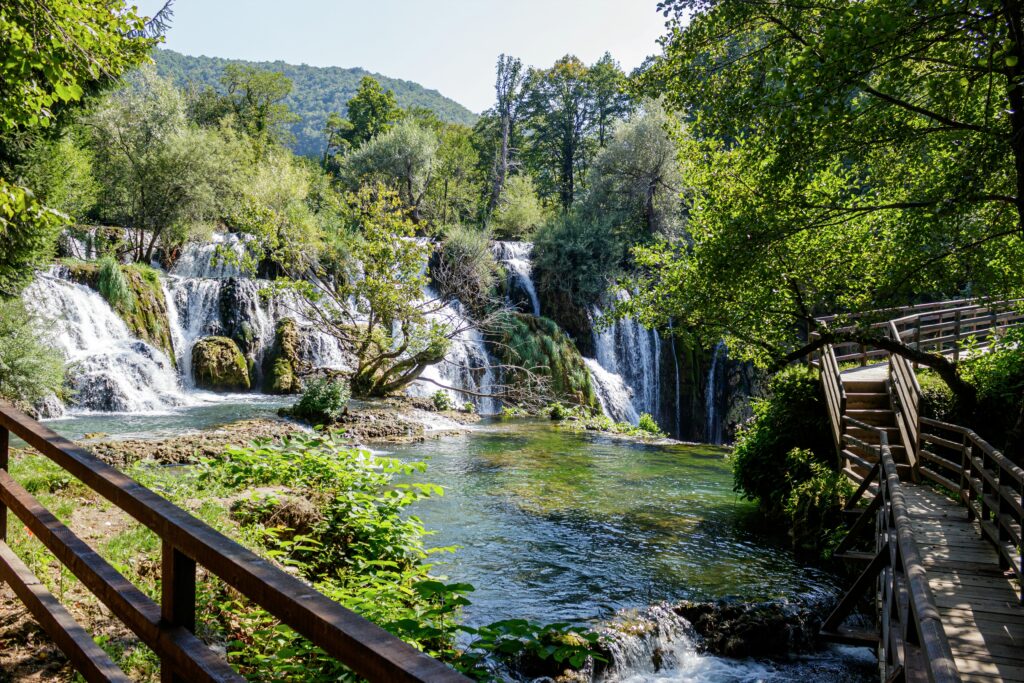
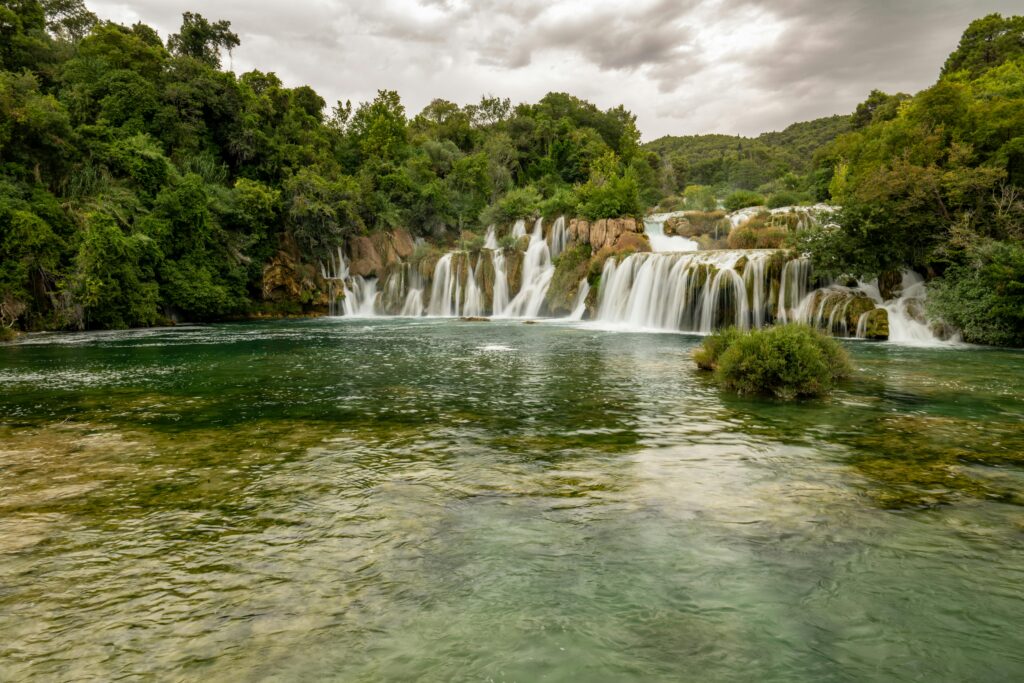
Štrbački Buk is Una’s showstopper. The waterfall cascades over a series of limestone steps and forms an amphitheater of roaring water and mist. From viewpoints along the wooden walkways you can watch the river transform — from peaceful pools to thunderous curtain — in a few heartbeats.
If you’re staying in Sarajevo and want to explore Una National Park and the stunning Štrbački Buk waterfall, this full-day trip from Sarajevo is the easiest and most convenient way to do it.
Why people love Štrbački Buk:
- Photography heaven: multiple angles, dramatic light at dawn and dusk.
- Accessible: well-maintained paths and viewpoints mean you don’t need special gear to enjoy the spectacle.
- Wild but safe: the park is protected, with visitor facilities and clear signage.
If you bring slippers for paddling (or water shoes), you can get close enough to feel the spray on your face — a simple, brilliant way to remind yourself you’re very much alive.
Top Activities: From Gentle Walks to Full-Throttle Adventure
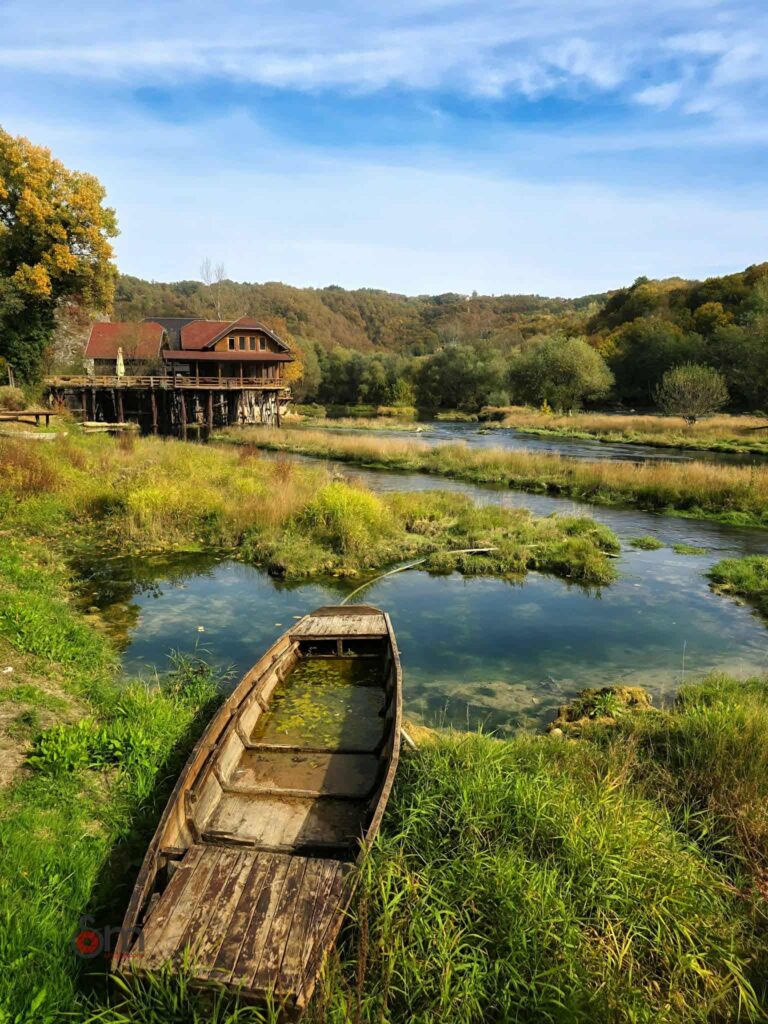
Una offers a pleasing menu of things to do. Pick your pace.
Rafting & Kayaking
The Una has calm stretches and white-water sections. Guided rafting trips are one of the best ways to experience the river — you’ll float past waterfalls, through narrow gorges, and under hanging forests. Perfect for groups and beginners when paired with an experienced outfitter.
To truly feel the power and beauty of the Una River, consider booking this rafting tour led by local guides.
Hiking & Walking Trails
There are short, family-friendly loops and longer trails that thread the park. Paths to viewpoints around Štrbački Buk are enchanting and never feel overbuilt.
Waterfall Chasing
Besides Štrbački Buk, don’t miss Martin Brod, another cluster of falls downstream, and a handful of smaller cascades that feel like private discoveries.
Fishing & Wildlife Watching
Una’s water and surrounding forests are home to trout, kingfishers, deer, and a chorus of birdlife. Bring binoculars, or hire a guide if you want local tips.
Best Time to Visit
- Late spring to early autumn (May–September) is prime: water levels are generous, trails are dry, and outdoor activities run in full swing.
- Summer brings the most visitors and warmest water; early mornings are best for photos.
- Autumn is quieter and beautiful if you love golden light and fading crowds.
- Winter can be atmospheric, but some services and routes may be limited.
How to Get There
Bihać is the main base for exploring Una National Park. It’s reachable by car from Sarajevo (about 3–4 hours) and closer to Zagreb and Split if you’re crossing borders. Buses run to Bihać from major Bosnian towns; from the town, local taxis or guided transfers take you to park entrances like Štrbački Buk and Martin Brod.
If you’re road-tripping, allow extra time for scenic detours — the drives themselves are part of the charm.
Where to Stay & Eat
Where to sleep: Bihać has a good range of accommodation — guesthouses with homemade breakfasts, family-run hotels, and a few riverside pensions. For a wilderness vibe, book a cottage or eco-lodge near the park.
What to eat: Don’t miss local trout grilled simply with lemon, homemade cheese, and hearty stews. Coffee culture is strong — expect excellent espresso and warm conversation wherever you stop.
If you want to know exactly what to order (and why you shouldn’t skip the soup), check out our list of Top 5 Traditional Bosnian Dishes You Must Try.
Practical Tips & Respectful Travel
- Bring water shoes if you want to paddle near the falls. Rocks are beautiful but slippery.
- Carry cash for small shops or local guides — some places may not take cards.
- Hire local guides for rafting or long hikes — they know the river’s moods and make the experience safer and richer.
- Follow park rules: stick to marked paths and keep a respectful distance from wildlife.
- Leave no trace. Una’s beauty depends on visitors who care.
Conservation: Why Your Visit Matters
Una National Park’s protected status helps maintain its ecosystems and supports local communities that depend on sustainable tourism. Choosing ethical operators and responsible behaviour contributes directly to conservation — and ensures the falls stay stunning for the next generation.
Final Thoughts: Una Is More Than a Day Trip
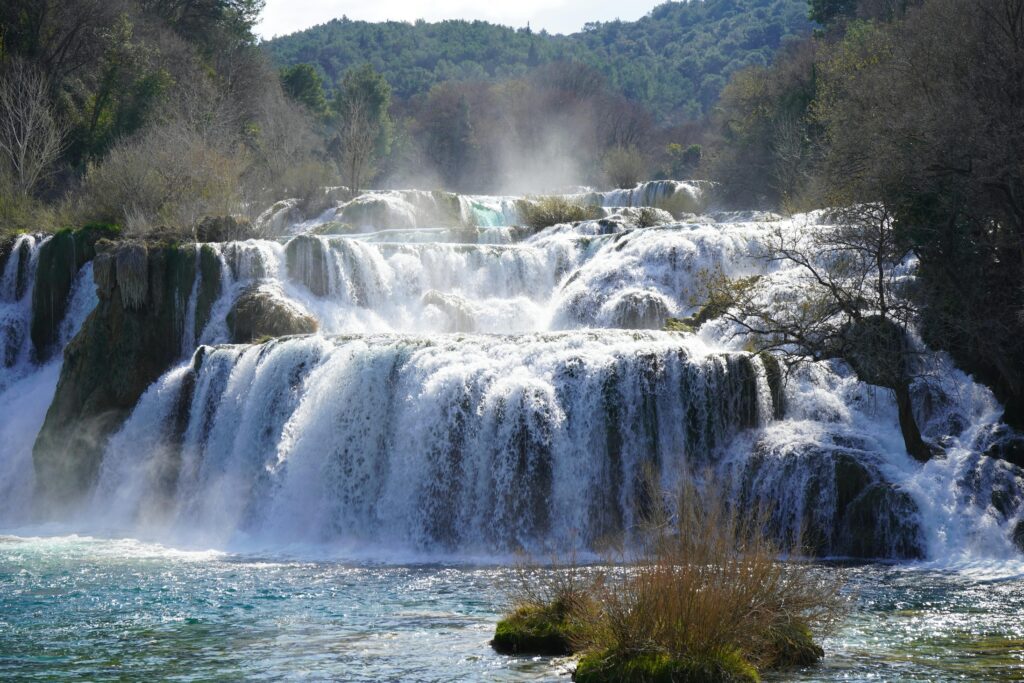
Štrbački Buk is the headline, but Una is the whole book: river chapters, forest footnotes, and human stories braided through every village and viewpoint. Visit for the waterfall and stay for the rhythm of the place — a slow, steady tempo that makes you breathe easier and notice small details again.
Pack your camera, your walking shoes, and a little curiosity. In Una, you don’t just see nature — you step into it, and it steps right back into your travel memories.
Pingback: Religious Tourism in Bosnia: Why It’s Called the Jerusalem of Europe