
You’ve done Sarajevo. You’ve crossed the Old Bridge in Mostar. You’ve gasped at Kravica Waterfalls like a responsible tourist. And now you’re staring at a map of Bosnia & Herzegovina thinking: what am I missing?
Here’s your answer: Hutovo Blato.
If the name sounds like something your GPS mispronounced, don’t worry — it’s a wetland nature park in southern Herzegovina, and it’s one of the most quietly extraordinary places in the entire Balkans. It’s internationally protected, internationally significant, and almost completely ignored by the mainstream travel crowd. Which, frankly, is exactly what makes it perfect.
So grab your binoculars (or at minimum, your camera), and let’s talk about Bosnia’s secret birdwatching paradise.
To get the most out of Bosnia, you’ll want a car — rent one through DiscoverCars and compare every local agency in one place before you book.
What Is Hutovo Blato, Exactly?
Hutovo Blato is a nature park and bird reserve located in the southwestern part of Bosnia and Herzegovina, about 30 km southeast of Mostar and just 5 km from the town of Čapljina. It sits on the left bank of the Neretva River, in a landscape that somehow manages to be both harsh karst terrain and lush, flooded wetland at the same time — as if nature was showing off.
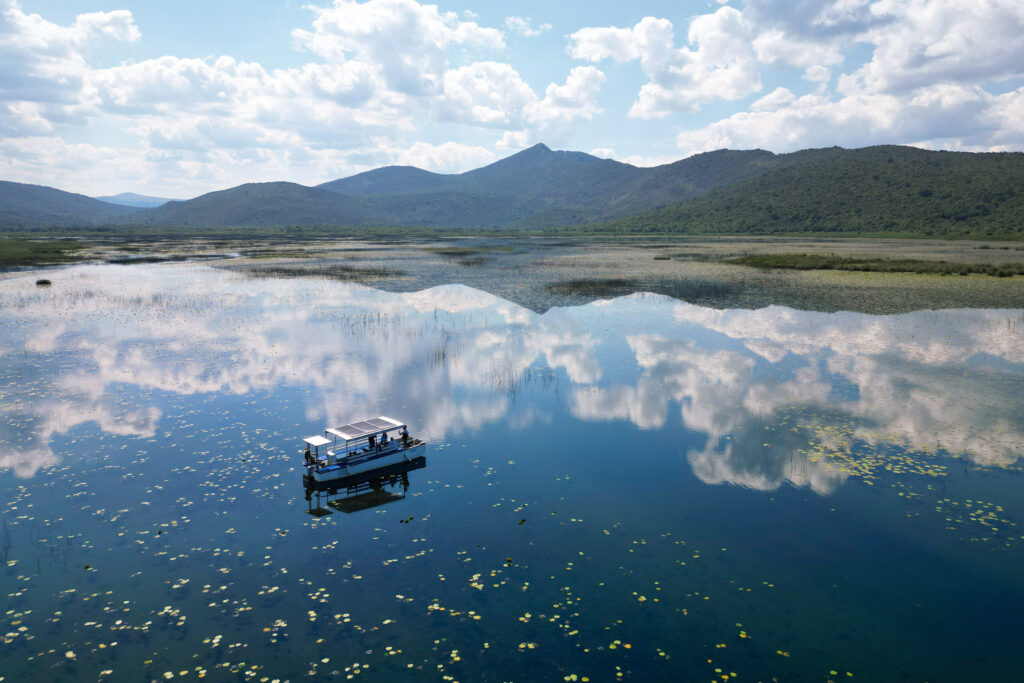
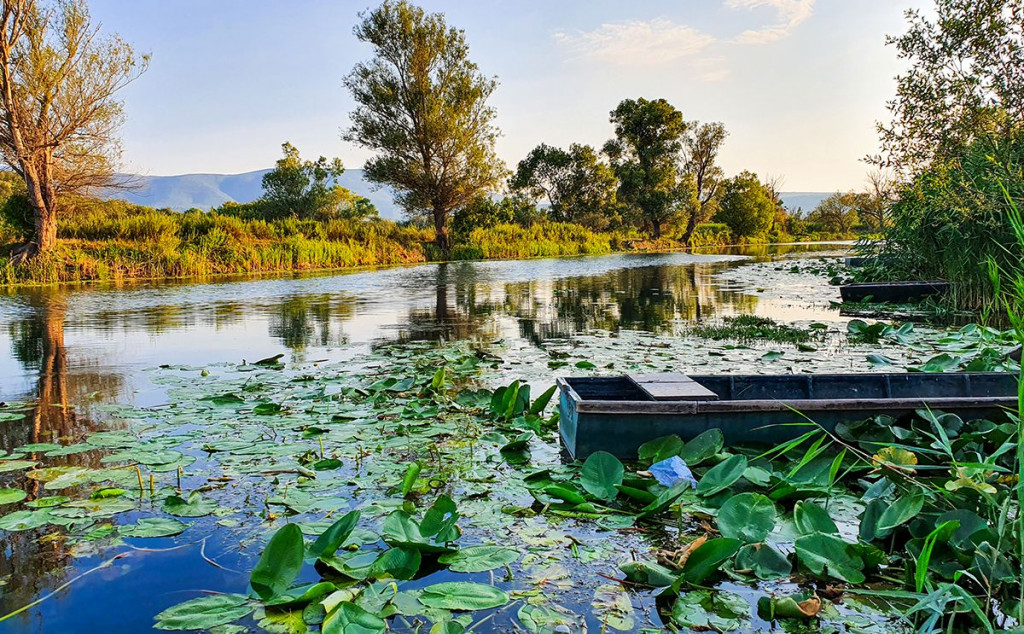
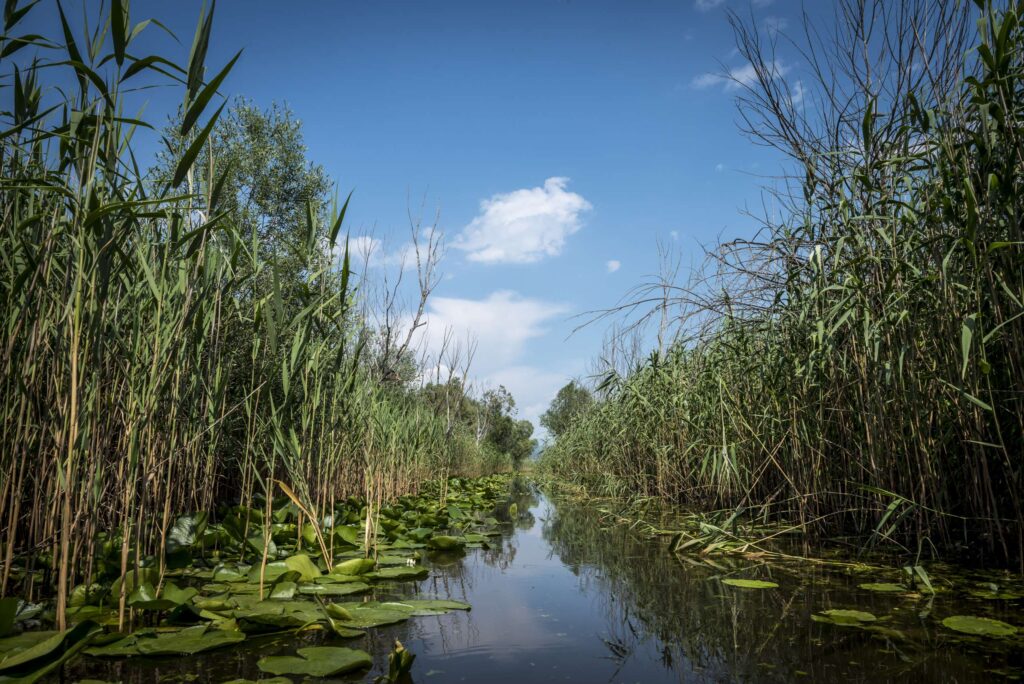
The park stretches over approximately 7,411 hectares of marshlands, lakes, channels, and reed beds, making it one of the largest wetland reserves in the region. At its core are two main lakes: the natural Deransko Lake and the dammed Svitavsko Lake, connected by the Krupa River — a 9 km waterway with an average depth of 5 meters, fed by underground karst aquifers. The whole system is essentially a watery maze created by the underground water network of the surrounding limestone massifs.
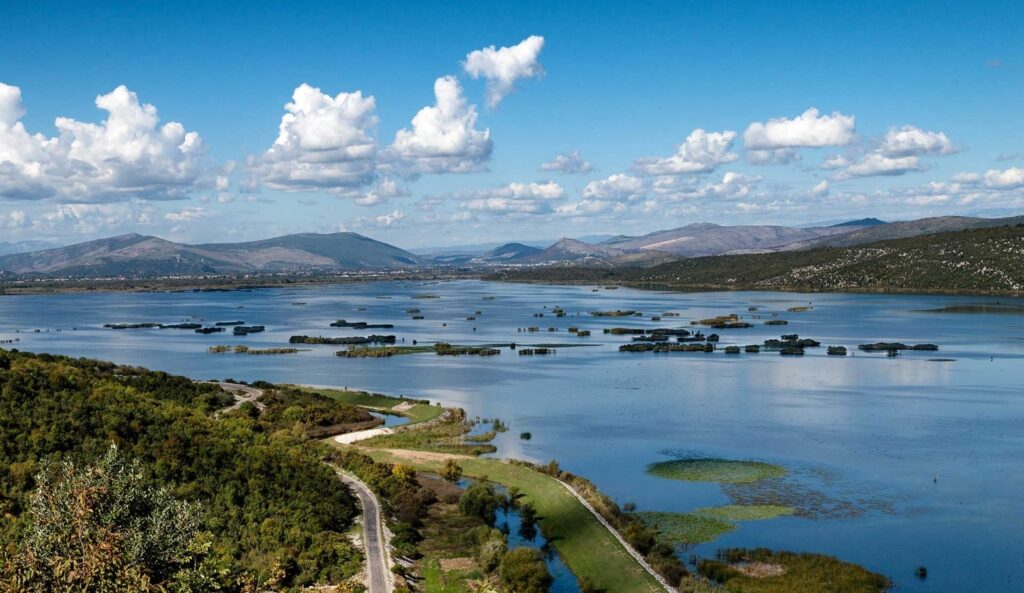
And here’s the thing that really makes this place special: Hutovo Blato sits just 15 km from the Adriatic Sea. That’s close enough to be heavily influenced by the Mediterranean climate, which gives it a character completely unlike most Central European wetlands. It’s a sub-Mediterranean wetland right in the middle of a karst desert — a green, water-filled anomaly that birds have been using as a pit stop for millennia.
Why Birds Absolutely Love It Here (And You Will Too)
Let’s talk numbers for a second, because they’re genuinely impressive.
Hutovo Blato is home to over 240 species of migratory birds from 39 different families. During migration season, tens of thousands of birds descend on the park at once. It’s been officially designated as an Important Bird Area (IBA) by BirdLife International, and it’s been on the Ramsar List of Wetlands of International Importance since 2001 — the same list that protects places like the Danube Delta and the Camargue in France.
In short, ornithologists know exactly how good this place is. Regular travellers? Not so much. And that’s your gain.
The park sits directly on the Adriatic Flyway — one of Europe’s major migratory routes connecting northern and central Europe to Africa and Asia. Every spring and autumn, enormous flocks use Hutovo Blato as a resting and feeding station, turning the lakes and reedbeds into something that looks, honestly, like a nature documentary you’d expect from somewhere in Africa.
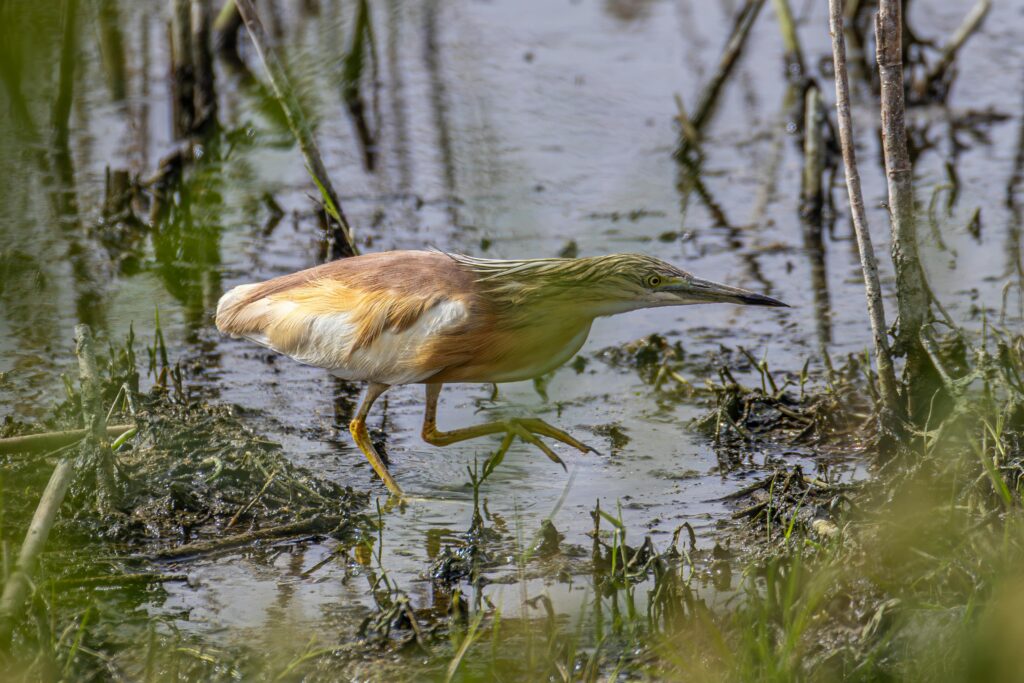
Some of the star species you might spot:
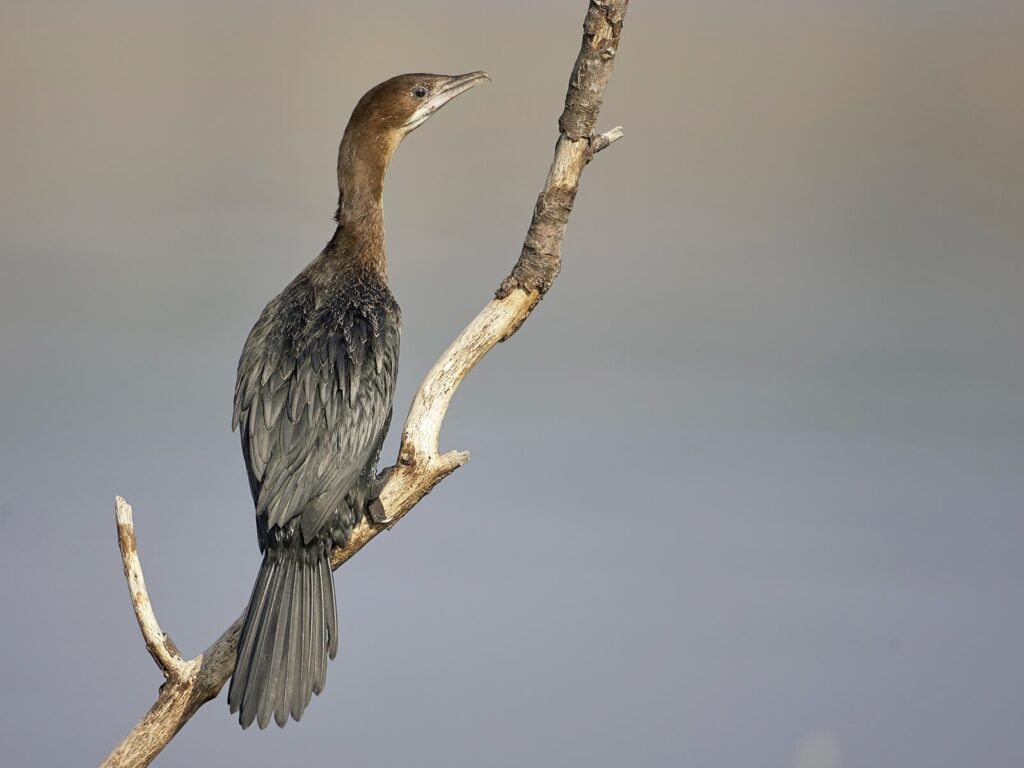
- Pygmy Cormorant (Phalacrocorax pygmaeus) — Hutovo Blato actually contains the only Pygmy Cormorant breeding site in all of Herzegovina, with several hundred pairs nesting here annually.
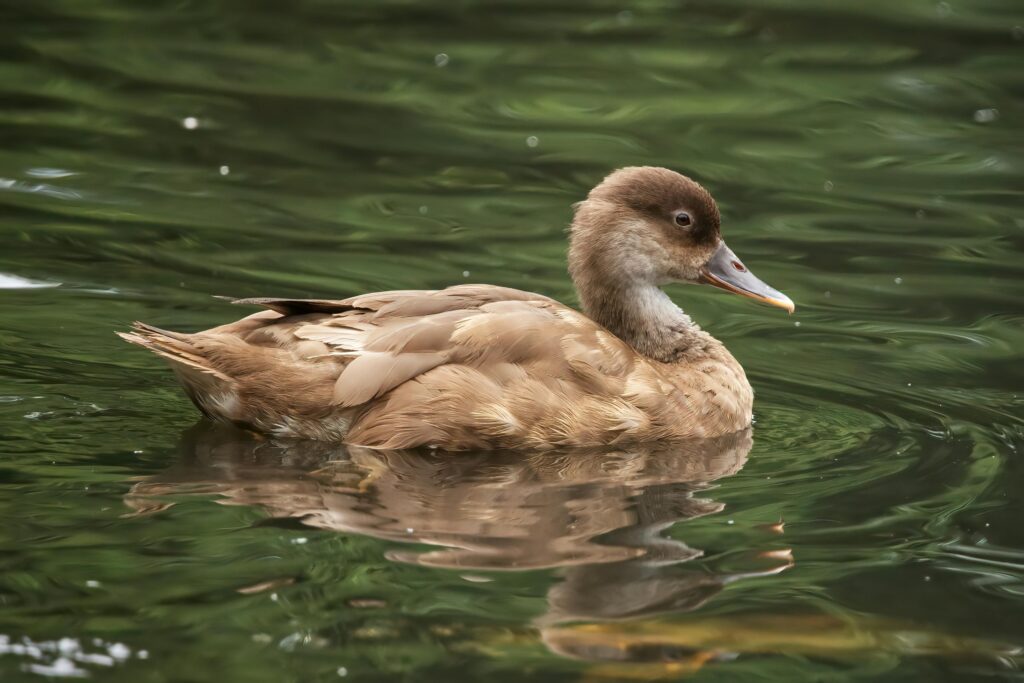
- Ferruginous Duck (Aythya nyroca) — a globally threatened species that appears in significant numbers.
- Squacco Heron — spotted regularly along the banks of Svitavsko Lake.
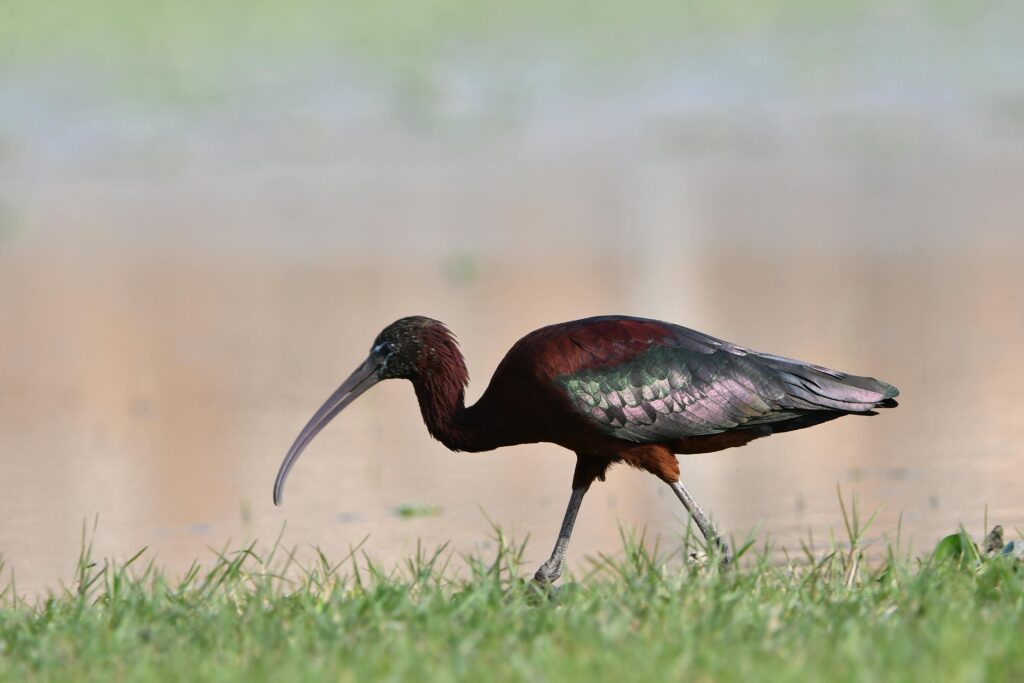
- Glossy Ibis — yes, in Bosnia. Wrap your head around that.
- European Bee-eater — one of Europe’s most colourful birds, nesting nearby in impressive numbers.
- Garganey, Purple Heron, Night Heron, Marsh Terns — all regular visitors during the right season.
- Eurasian Penduline Tit — known for building some of the most intricate domed nests in the bird world, suspended from willow branches over the water.
- Kingfisher — a guaranteed highlight on any boat tour through the channels.
And if you’re wondering about timing: the spring (April–May) and autumn (September–October) migration periods see the greatest variety and volume of species. That said, even summer visits reward you with resident breeders and year-round wetland birds.
It’s Not Just About the Birds
Okay, birdwatching is the main event. But Hutovo Blato is also home to a genuinely impressive variety of everything else.
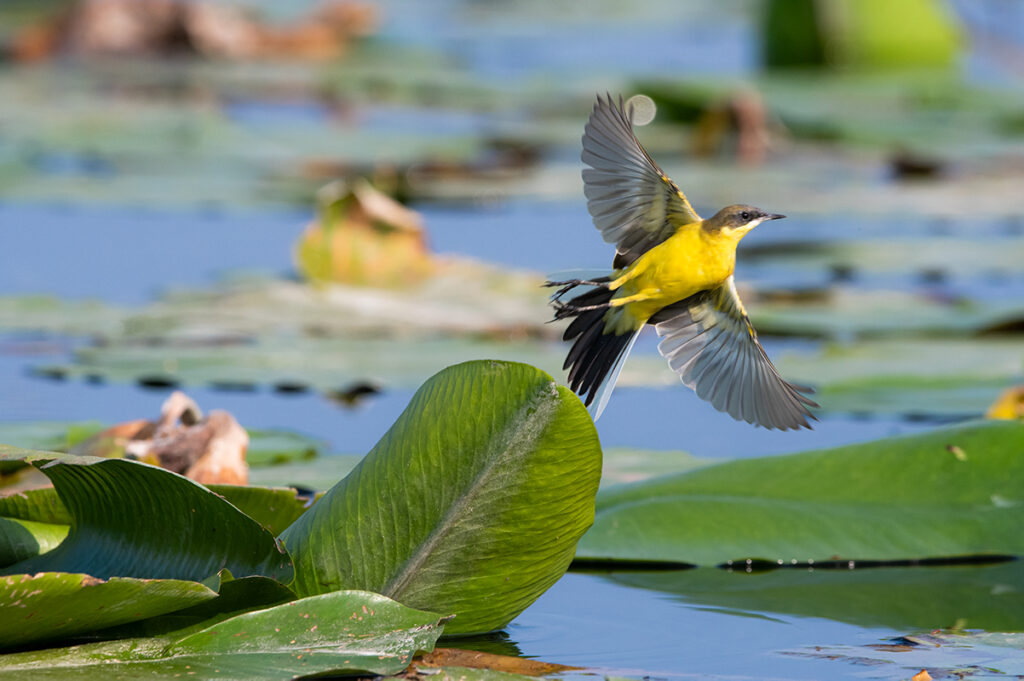
The park’s water surfaces are largely covered with white water lilies (Nymphaea alba) and yellow pond lilies (Nuphar luteum), giving the lakes a painterly quality that makes even a blurry phone photo look like it belongs in a gallery. Over 600 species of flora have been recorded in the park — an extraordinary number for a single protected area.
The waters themselves are crystal clear (this is Bosnia — unclear water is basically illegal) and hide 22 species of fish, five of which are endemic. Because the Krupa and Neretva rivers connect to the Adriatic, some migratory saltwater species also enter and adapt to freshwater conditions here, including the remarkable European eel (Anguilla anguilla), which makes an epic journey from the Atlantic and eventually ends up swimming through these Herzegovinian channels. Science is wild.
The surrounding forests are home to deer, foxes, wild boar, and — if the stars align and you’re very quiet — wolves. Wild horses also roam through parts of the park. Yes, between the wild horses here and the ones you might have seen on the Livno plateau, Bosnia is quietly running the most underrated wildlife programme in Europe.
And then there’s history. During archaeological excavations in 2008, a team from the University of Mostar and the University of Lund (Sweden) uncovered traces of an Illyrian trading post at a site called Desilo, dating back over 2,000 years. They found the ruins of a harbour, an ancient settlement, and dozens of sunken boats still loaded with Roman wine amphorae from the 1st century BC. Archaeologists called it one of the most important finds of its kind in Europe. So yes — you can watch rare birds AND stand where ancient Illyrian merchants once traded wine with Romans. One admission fee, multiple civilisations. Unbeatable value.
What to Do in the Park
The park is well set up for visitors and offers a surprisingly varied menu of activities:
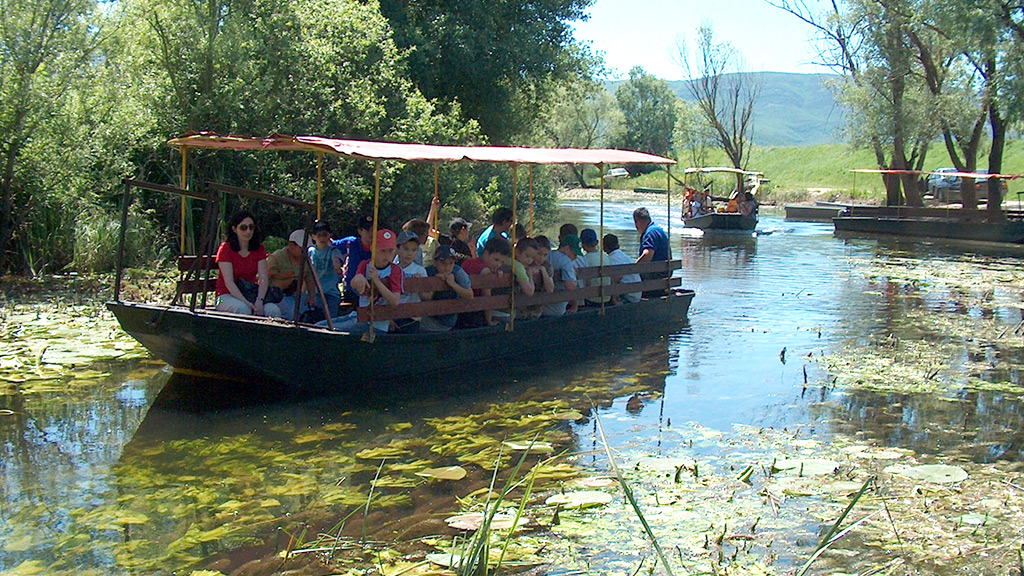
Boat Safari (Photo Safari) — The signature experience. The park operates large boats (for up to 25 people) and smaller vessels (for groups of up to 4), plus canoes for the independently minded. A short 45-minute photo safari costs around 30 euros; longer, deeper explorations of the channels and lakes run from 60 to 100 euros. The boat guides know the water and the birds, and guided tours are available in English. This is, without question, the best way to experience Hutovo Blato.
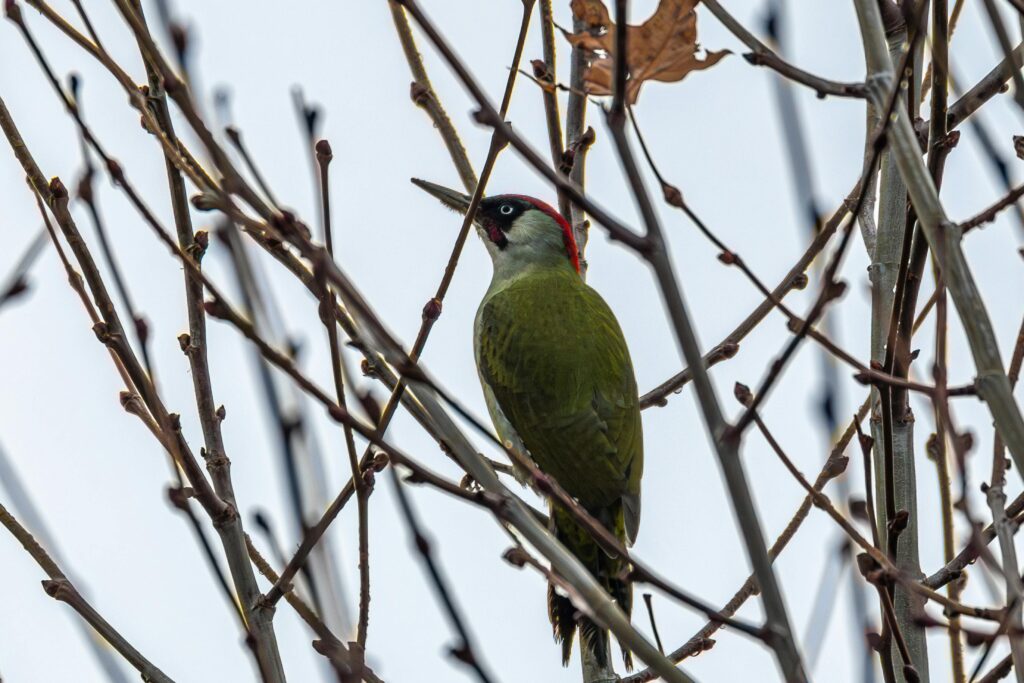
Birdwatching Hides & Walking Trails — The park has dedicated birdwatching facilities and an educational walking trail that loops through different habitats. Bring binoculars if you have them; if you don’t, a zoom lens on a phone will still yield satisfying results in the reedbeds.
Cycling — Bike rental is available on site. The flat terrain around the lakes makes cycling a genuinely pleasant option, especially early morning when the light on the water is ridiculous in the best way.
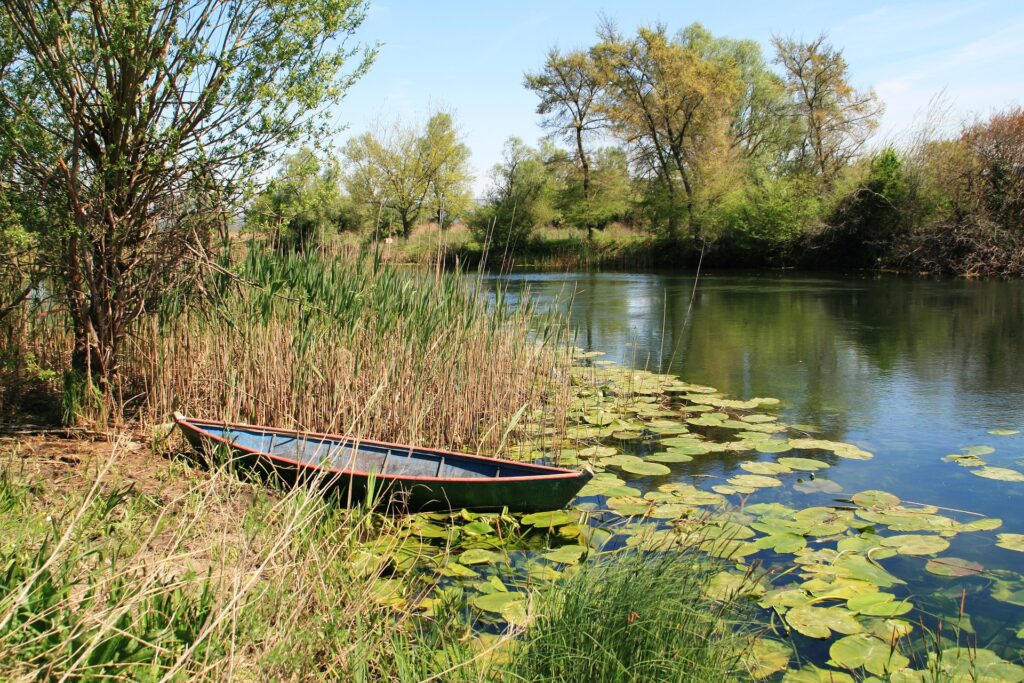
Sport Fishing — Hutovo Blato is a serious destination for anglers, with eel and carp being the most prized catches. Fishing is regulated to protect the ecosystem.
Horse Riding — Another activity available in the park, and one of those unexpected extras that makes you realise Hutovo Blato is hiding considerable range.
Best Time to Visit
If you’re specifically coming for birds, April–May is outstanding. Spring migration is in full swing, the light is soft, the temperature is pleasant (around 18–24°C), and the reed beds are alive with warblers and herons. The September–October window is equally strong for migratory species heading south.
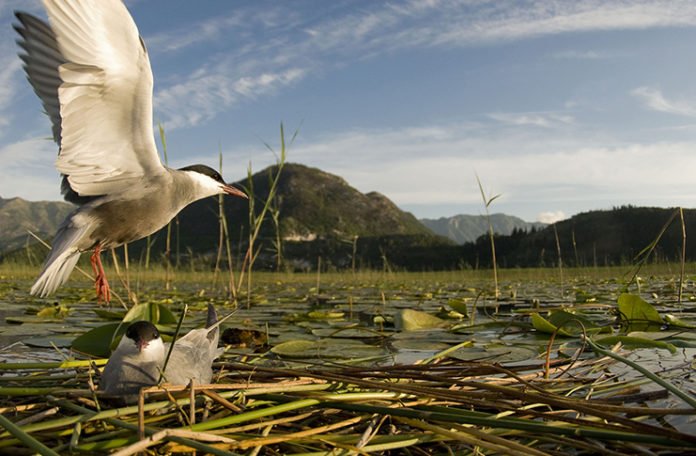
Summer (June–August) is hot — sometimes very hot — but resident breeders are active, the flowering lilies are at their most spectacular, and the park is quiet enough that you won’t be fighting for a boat slot. Winter brings a different kind of magic: large numbers of wintering waterfowl, including ducks and cormorants, but water levels can be low, which occasionally limits boat access to certain parts of the reserve.
Spring and early autumn are the sweet spot. Plan accordingly.
How to Get to Hutovo Blato
The park is about 30 km from Mostar and 5 km from Čapljina, making it an excellent addition to any Mostar day trip or a standalone excursion from Sarajevo.
By car: Head south from Mostar on the M-17 road toward Čapljina and then toward Metković. The park is clearly signposted. Once you turn off at Hutovo, follow the M-17.3 and do not take the R426. The drive from Mostar takes around 30–40 minutes.
By public transport: Take a train or bus to Čapljina, and then a taxi to the park entrance (about 5 km). It’s not the most elegant solution, but it works.
Organised tours: Day trips from both Mostar and Sarajevo are available and frequently combine Hutovo Blato with other Herzegovinian highlights like Kravica Waterfalls or Počitelj. If you’d rather not navigate independently, this is the easiest option.
From Dubrovnik: The park is popular as a day trip from Dubrovnik (about 90 minutes away), which means you can combine Hutovo Blato with a Mostar visit in a single long day if you’re staying on the Croatian coast.
If you’re combining this with a longer trip, check out our 7-Day Bosnia Road Trip itinerary.
Practical Information
- Entrance fee: Approximately 1 BAM (around 0.50 euros) per person, which includes parking and access to the walking trails. Boat tours are priced separately.
- Boat tour prices: 30–100 euros depending on duration and group size.
- Accommodation: There is a motel on site with nature-friendly facilities, so an overnight stay is very much an option — and honestly recommended if you want the early morning light over the lakes, which is when the birds are most active and the photos are most spectacular.
- What to bring: Binoculars, sunscreen (there’s not a lot of shade on the boats), a light jacket (it gets breezy on the water), and a healthy appreciation for silence. The birds prefer it.
Why Hutovo Blato Deserves More Attention
Here’s the thing about Hutovo Blato: it’s not undiscovered because it’s hard to reach or unimpressive. It’s simply under the radar of most travel media, which tends to cycle through the same handful of Bosnian highlights (Sarajevo, Mostar, Kravica — yes, including us).
But this is a place that holds Ramsar status. That’s the same international designation protecting the Everglades and the Okavango Delta. Hutovo Blato is, by any objective measure, one of Europe’s most important wetlands and one of the most biodiverse places in the entire Balkans.
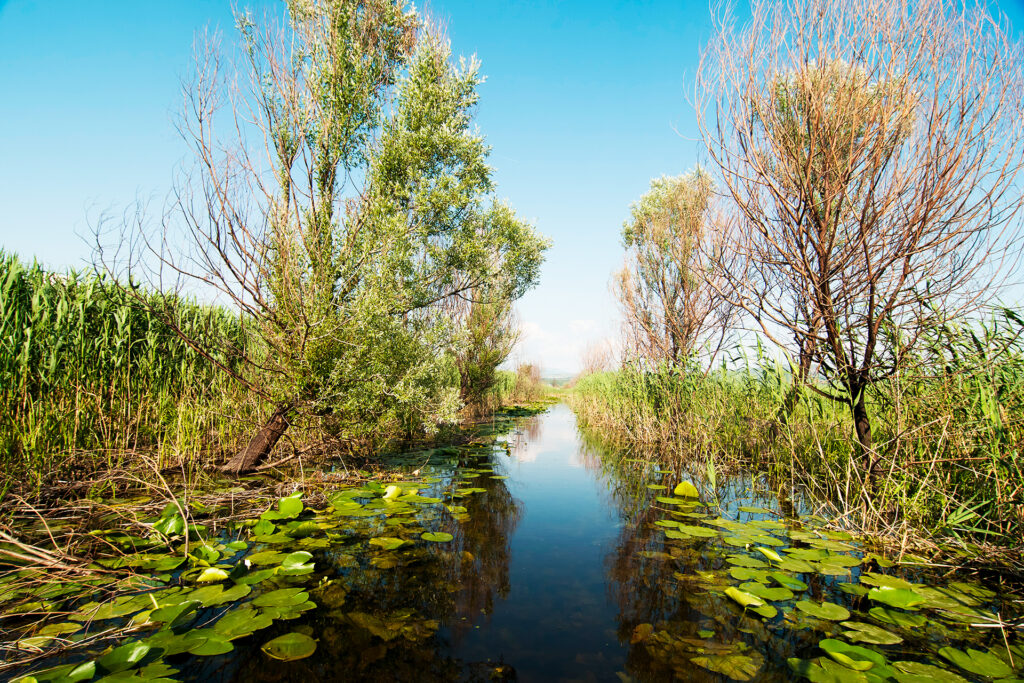
It also happens to be peaceful, affordable, genuinely beautiful, and strangely moving — the kind of place where you find yourself standing in a boat in the middle of a Herzegovinian marsh at 7 AM, surrounded by the calls of birds you’ve never seen before, watching mist lift off crystal water, and thinking: how has nobody told me about this?
Well. Now someone has.
Quick Summary: Hutovo Blato at a Glance
| Location | 30 km from Mostar, 5 km from Čapljina |
| Park size | ~7,411 hectares |
| Bird species recorded | 240+ from 39 families |
| Ramsar status | Since 2001 |
| Best time to visit | April–May or September–October |
| Entrance fee | ~1 BAM (~0.50€) |
| Boat safari | From ~30€ (45 min) to ~100€ (full tour) |
| Distance from Sarajevo | ~130 km (about 2 hours by car) |
| Distance from Dubrovnik | ~90 km (about 90 minutes by car) |
Have you visited Hutovo Blato? Drop your experience in the comments — especially if you spotted something spectacular. And if you’re planning a trip to Herzegovina, check out our guides to Kravica Waterfalls and the 7-Day Bosnia Road Trip to make the most of your time in the south.